New Issue Vol. 23 No. 2 (2026) July-December
We are pleased to announce the publication of the new issue of the Revista Mexicana de Física E, corresponding to Vol. 23 No. 2 (2026) July-December.

Featured Article:
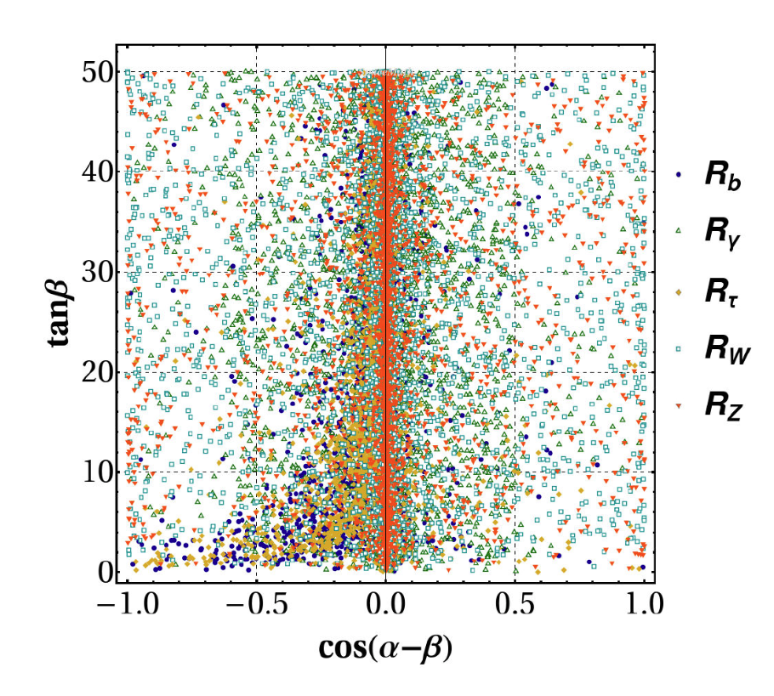
SpaceMath v.2.0 with machine learning. A Mathematica package for beyond the standard model parameter space searchesM. A. Arroyo-Ureña, T. A. Valencia-Pérez
REVISTA MEXICANA DE FÍSICA E, year 23, issue 2, July-December 2026. Semiannual Journal published by Sociedad Mexicana de Física, A. C.
eISSN: 2683-2216
Chief Editor: Ramón Castañeda-Priego |
Editorial Board | Journal Managers: Edgar Iván Preciado Govea (ei.preciadogovea@ugto.mx) • Fidencio Hernandez (fisicafide27@gmail.com) | Technical Staff: Julio César Pérez Pedraza • Juan Domingo García Muñoz • Efraín R. Garrido Román | Secretary: María Magdalena López Reynoso
SpaceMath v.2.0 with Machine Learning is an extension of SpaceMath v.1.0 and implements processes with Flavor-Changing Neutral Currents at tree and one-loop level, namely, i) Radiative decays $\ell_i\to\ell_j \gamma$, ii) $\ell_i\to \ell_j \ell_k \bar{\ell}_k$ decays ($\ell_i=\tau,\,\mu$, $\ell_{j,\,k}=\mu,\,e$, with $\ell_i \neq\ell_j \neq\ell_k$), iii) anomalous magnetic moment of the muon $\delta a_\mu$ and iv) decays $B_{s,d}^0\to \mu^-\mu^+$. In addition to scanning parameter spaces, \texttt{SpaceMath v.2.0} has a novel implementation that make use of Machine Learning algorithms to predict Benchmark Points for numerical evaluations of observables in particle physics. A detailed example applied to the \textit{Two-Higgs Doublet Model of type III} parameter space is developed.
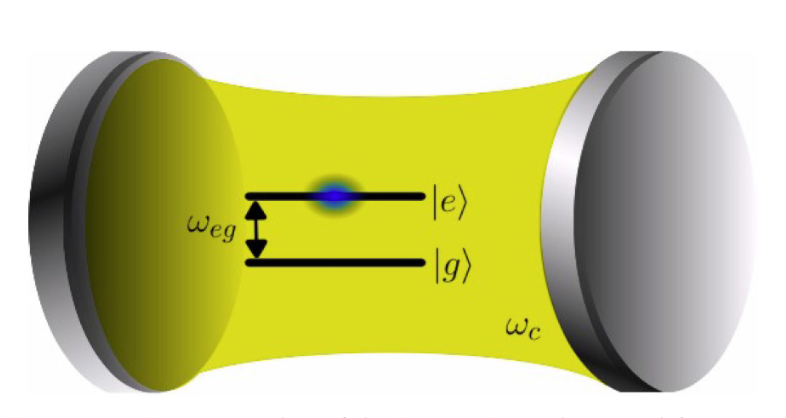
Obtaining exact solutions to the time-dependent Schrodinger equation in complex quantum systems presents significant challenges. In this ¨ context, numerical methods offer powerful alternatives for exploring their dynamics. In this pedagogical article, we present a numerical approach based on the fourth-order Runge-Kutta method, implemented in Python, to simulate radiation-matter interaction models. The methodology is illustrated using the well-known Jaynes-Cummings model, and the numerical results are compared with its exact analytical solution for illustrative purposes. Although only this model is explicitly solved, the numerical framework is general and can be readily extended to more complex Hamiltonians, including time-dependent cases. This makes the approach a practical and accessible tool for exploring a wide range of quantum systems.

We present two examples where the Schrödinger equation admits R-separable solutions. In one of them (a particle in a uniform force field) the Schrödinger equation admits separable and R-separable solutions.
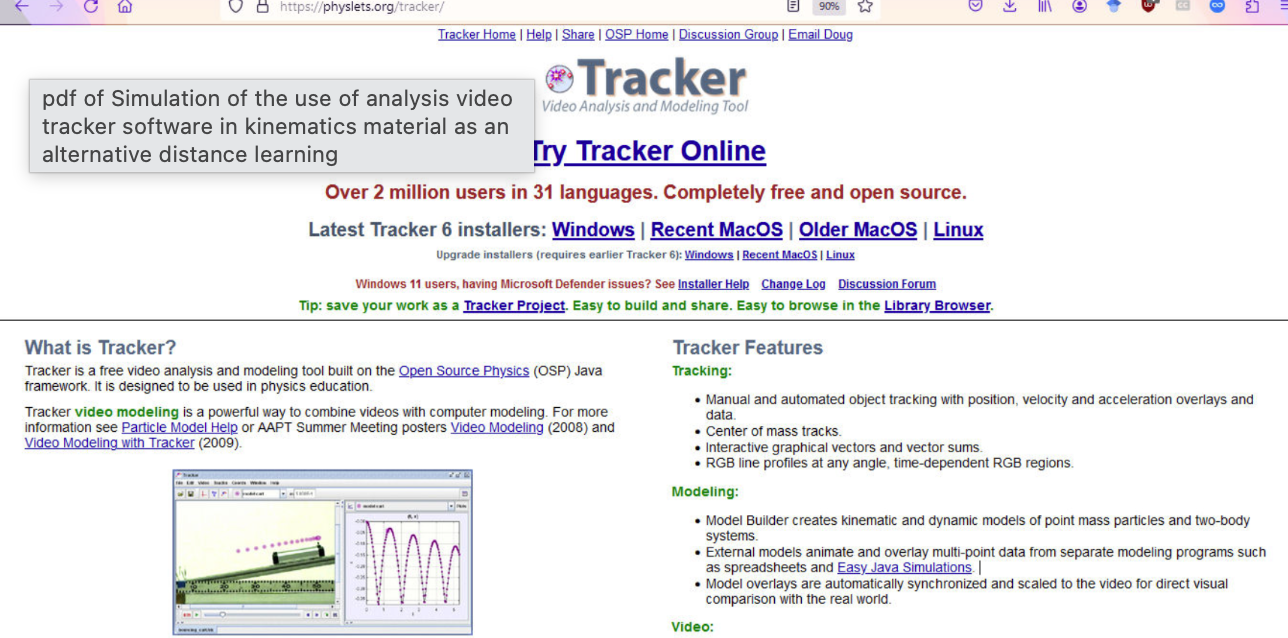
Physics learning can be designed with a contextual approach and is relevant to students' daily lives. Physics is very relevant in various fields, one of which is the field of technology. The aim of this research is to create a simulation of the use of video analysis tracker software in kinematics material as an alternative to distance learning. This research uses descriptive methods. The kinematics material that will be discussed in this research includes rectilinear motion, parabolic motion and circular motion. This research uses video analysis tracker software to obtain information from the movement of an object. The results of this research have produced a simulation of the use of video analysis tracker software as an alternative to distance learning. The use of video analysis tracker software can be used to carry out experiments on motion and optical phenomena. From investigative activities, students are able to prove physical theory with the results of investigations or experiments using video analysis tracker software. Researchers suggest that simulations using video analysis tracker software can be applied in classroom learning, especially in kinematics material. The use of video analysis tracker software in the classroom learning process can improve students' problem solving skills and learning independence
Vectors are fundamental in physics education, yet students frequently struggle to integrate geometric and algebraic representations. This study investigates the praxeological structures of vector content in the Physics for Senior High School/Islamic Senior High School Grade XI textbook under Indonesia’s Merdeka Curriculum using the Anthropological Theory of the Didactic (ATD). ATD conceptualizes knowledge as tasks (T), techniques (τ), technologies (θ), and theories (Θ). Data were obtained through a detailed analysis of the vector chapter (pp. 1–26) and examined from systemic and epistemic perspectives. The findings reveal that technical components (T/τ) dominate, while epistemic justification (θ/Θ) is weak. Topics such as dot and cross products are briefly mentioned but lack formal development, and connections between tasks remain fragmented. Most activities fall under Lower Order Thinking Skills (LOTS), though all show potential for extension into Higher Order Thinking Skills (HOTS) through proof-based, exploratory, and multi-representational tasks. These results indicate the need to strengthen conceptual explanations, restructure content sequencing, and design coherent praxeologies to support deeper understanding. This research contributes theoretically by extending ATD applications into physics education and practically by offering insights for curriculum developers, textbook authors, and educators to create vector learning that balances procedural fluency and conceptual depth while fostering HOTS.
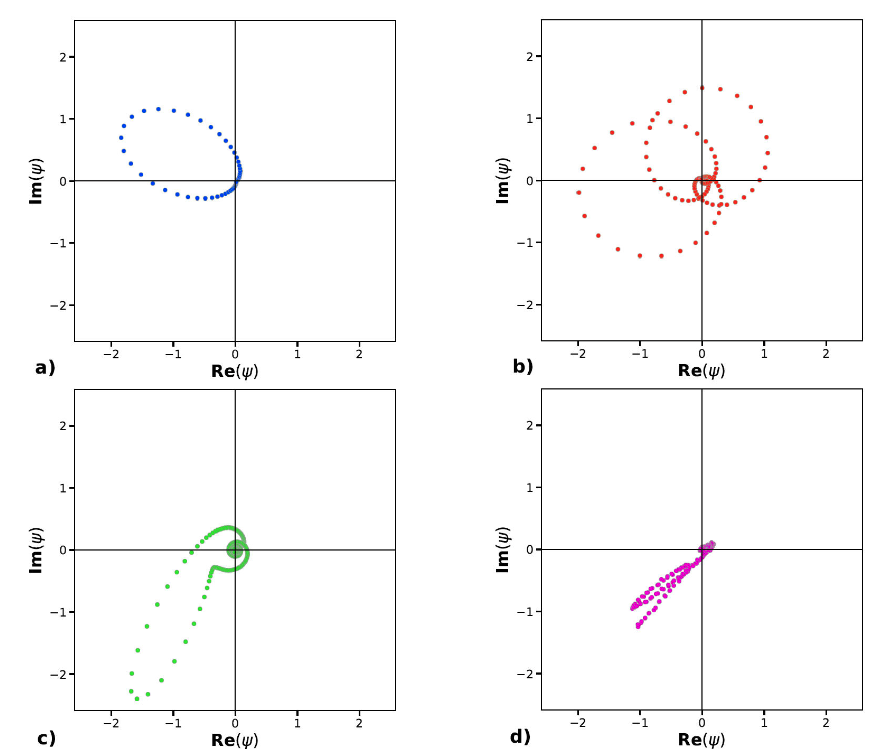
We present an open-source Python implementation of an idealized high-order pseudo-spectral solver for the one-dimensional nonlinear Schrödinger equation (NLSE). The solver combines Fourier spectral spatial discretization with an adaptive eighth-order Dormand-Prince time integration scheme to achieve machine-precision conservation of mass and near-perfect preservation of momentum and energy for smooth solutions. The implementation accurately reproduces fundamental NLSE phenomena including soliton collisions with analytically predicted phase shifts, Akhmediev breather dynamics, and the development of modulation instability from noisy initial conditions. Four canonical test cases validate the numerical scheme: single soliton propagation, two-soliton elastic collision, breather evolution, and noiseseeded modulation instability. The solver employs a 2/3 dealiasing rule with exponential filtering to prevent aliasing errors from the cubic nonlinearity. Statistical analysis using Shannon, Rényi, and Tsallis entropies quantifies the spatio-temporal complexity of solutions, while phase space representations reveal the underlying coherence structure. The implementation prioritizes code transparency and educational accessibility over computational performance, providing a valuable pedagogical tool for exploring nonlinear wave dynamics. Complete source code, documentation, and example configurations are freely available, enabling reproducible computational experiments across diverse physical contexts where the NLSE governs wave evolution, including nonlinear optics, Bose-Einstein condensates, and ocean surface waves.
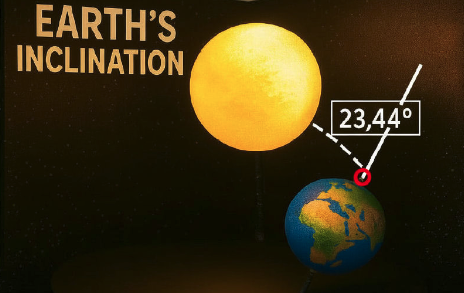
Effective strategies for teaching and learning Astronomy are spreading worldwide. Astronomy is a subject of interest in both formal and informal education programs. This study aimed to map students’ interest, prior knowledge, sources of information, and perceptions of astronomy’s relevance. Additionally, we evaluated the impact of using a model in students’ learning. A structured, anonymous questionnaire was administered to 77 high school students to assess the benefits and challenges of incorporating the model into the teaching-learning process. The results highlight astronomy’s strong potential for student development, as its interdisciplinary nature fosters critical thinking and a deeper understanding of natural phenomena. Furthermore, integrating astronomy with other disciplines proved to be an effective practice, significantly enhancing students’ learning experiences.
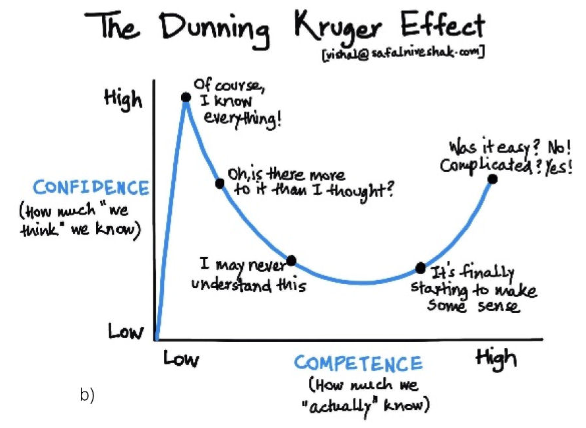
Problem-solving skills are fundamental to physics learning. However, many students in Indonesia still exhibit low Performance in this area, which is exacerbated by biased cognitive of their self-competence. Previous studies have typically focused on general academic cognitive without systematically measuring the accuracy of self-assessment in the context of physics problem-solving. This study addresses this gap by exploring the Dunning-Kruger effect in physics problem-solving, particularly in the area of mechanics, using a mixed-methods approach. This study aims to evaluate the accuracy of students' self-assessment of their problem-solving skills and to identify patterns of emerging cognitive biases. A total of 10 high school students in East Java were selected through purposive sampling. Quantitative data were collected via problem-solving tests and rubric-based self-assessment and then analyzed using descriptive statistics. Qualitative data were obtained from in-depth interviews and analyzed using thematic analysis methods. The results indicated that the majority of students overestimated their abilities, especially in the Useful Description and Mathematical Procedure aspects, which are strong indicators of the Dunning-Kruger effect. Students with higher skills demonstrated better underestimation bias and self-reflection skills. This study revealed that self-cognitive bias is negatively correlated with student's actual abilities: the lower the problem-solving skills, the higher the level of overestimation. The contribution of this study lies in providing a self-assessment-based framework to enhance students' reflection and problem-solving skills. These findings emphasize the urgency of implementing structured and continuous self-assessment practices in physics learning to reduce cognitive bias and strengthen students' metacognitive development.
Energy is a cornerstone concept in physics, embodying both conservation principles and the dynamics of systems. In quantum mechanics, energy manifests as the expectation value of the Hamiltonian operator, yet its intuitive understanding often remains elusive to students. This paper adopts a pedagogical approach to demystify quantum energy by employing three key phase-space representations: the Glauber-Sudarshan P-function, the Husimi Q-function, and the Wigner function. We show that, despite their distinct mathematical frameworks and interpretations, all three representations yield equivalent expressions for the mean energy of thermal states. This result provides an engaging platform for introducing concepts such as coherent states, operator ordering, and quasiprobability distributions. By bridging classical and quantum perspectives in an accessible format, we present a teaching model that not only conveys technical skills but also cultivates deeper conceptual insights, making it feasible to implement in a single lecture. This approach facilitates a richer understanding of the interplay between quantum mechanics and statistical physics, preparing students for advanced topics in quantum theory.
We give an integral expression for the vector potential of a time-independent, steady azimuthal current density. Our derivation is substantially simpler and somewhat more general than others given in the literature. As an illustration, we recover the results for the vector potential of a circular current loop as an orthogonal expansion in spherical and cylindrical coordinates. Additionally, we obtain closed analytical expressions for the vector potential and the magnetic induction of a circular current loop in terms of Legendre functions of the second kind, that are simpler than the results in terms of complete elliptic integrals given in textbooks.
En este trabajo, se presenta un estudio del movimiento circular vertical con fricción, modelado mediante una ecuación diferencial no lineal de primer orden. Se obtiene una solución analítica del modelo original y, adicionalmente, se aplica el Método de Descomposición de Adomian como técnica semianalítica. Los resultados se validan experimentalmente mediante análisis de video con el software Tracker, encontrando una buena concordancia entre teoría y experimento.
This paper presents a study of vertical circular motion with friction, modelled by a first-order nonlinear differential equation. It is obtained an analytical solution for the original model, and, additionally, the same problem is solved semi-analytically using the Adomian Decomposition Method. The results are experimentally compared through video analysis using Tracker software, An acceptable agreement between the experiment and the theoretical solutions is reported.
Uno de los experimentos más populares en Óptica y Electromagnetismo es el de la medición de la velocidad de la luz, ya que reafirma la teoría electromagnética de Maxwell. Realizar este experimento en un salón de clases es bastante complejo debido a la dificultad para acceder a material adecuado y económico, así como por la falta de información en lo referente a la electrónica necesaria. En este trabajo describimos cómo implementar un sistema electrónico de láser pulsado y receptor rápido para realizar experimentos de medición de velocidad de la luz basados en el método de tiempo de vuelo, utilizando componentes de fácil acceso. El sistema es capaz de generar y detectar pulsos eléctricos y ópticos de $4.5\pm0.1$ns a frecuencias de repetición de decenas KHz, con lo cual fue posible medir una velocidad de la luz en el aire de $v=(2.99\pm0.05)\times10^8$m/s con una desviación menor al $1\%$ respecto del valor oficial, y el cual fue posible montarlo dentro de una longitud de 5m. Este sistema también es capaz de medir la velocidad de la luz en materiales translucidos como el acrílico y agua. Para usuarios sin acceso a herramientas, y/o experiencia, para la construcción de circuitos electrónicos, presentamos una alternativa basada en la plataforma Arduino, la cual permite realizar mediciones comparativas de la velocidad de la luz en materiales, aunque con una precisión limitada.
One of the most popular experiments in Optics and Electromagnetism is the measurement of the speed of light, because it reaffirms Maxwell's electromagnetic theory. Conducting this experiment in a classroom is quite complex due to the difficulty in accessing suitable and affordable materials, as well as the lack of information regarding the necessary electronics. In this work we describe how to implement a pulsed laser and fast receiver electronic system to perform light speed measurement experiments based on the time-of-flight method, using available components. The system is capable of generating and detecting electrical and optical pulses of $4.5\pm0.1$ns at repetition frequencies of tens of KHz, with which it was possible to measure a speed of light in air of $v=(2.99\pm0.05)\times10^8$m/s with a deviation of less than $1\%$ from the official value, and which was possible to implement within a length of 5m. This system is also capable of measuring the speed of light in translucent materials such as acrylic and in water. For users without access to the tools for building electronic circuits, we present an alternative based on the Arduino platform, which allows for comparative measurements of the speed of light in materials, albeit with limited accuracy.
Se presenta el diseño de una interfaz gráfica en Maple como recurso pedagógico para el análisis de integrales triples de tipo I y II en coordenadas rectangulares. La herramienta permite al usuario ingresar de forma sencilla el integrando y los límites de integración, generando como salida representaciones analíticas y gráficas. Entre ellas se incluyen las intersecciones que definen la región de integración, la visualización del sólido en 3D y su proyección en el plano XY, así como la evaluación de la integral. La interfaz ofrece además la opción de remover las caras del sólido, proporcionando una percepción detallada de sus superficies. Esta herramienta constituye un apoyo didáctico que complementa la resolución de problemas presentes en los textos clásicos asociados al cálculo de integrales triples, favoreciendo la comprensión geométrica de los sólidos y el proceso de integración.
We present the design of a graphical interface in Maple as a pedagogical resource for the analysis of type I and II triple integrals in rectangular coordinates. The tool allows the user to easily enter the integrand and the limits of integration, generating analytical and graphical representations as output. These include the intersections that define the region of integration, the visualization of the solid in 3D and its projection onto the XY plane, as well as the evaluation of the integral. The interface also offers the option of removing the faces of the solid, providing a detailed view of its surfaces. This tool is a teaching aid that complements the problem-solving exercises found in classical texts associated with the calculation of triple integrals, promoting a geometric understanding of solids and the integration process.
Presentamos el proyecto educativo de la construcción de un telescopio óptico, que se caracterizó por ser económico, fácil de ensamblar y construido con materiales accesibles para cualquier escuela pública de nivel educativo medio o medio superior. Este proyecto se describe como multidisciplinario, constructivista y en el ámbito STEM, que se adapta fácilmente como proyecto transversal al currículo de educación media superior. El documento presenta los preliminares de su elaboración, optimización y calibración, así como la evaluación del aparato didáctico frente a un grupo de estudiantes quienes lo ensamblaron. Los resultados de la evaluación son positivos en el aprendizaje del tema de telescopio y lentes, así como en la facilidad de armado y materiales para el usuario. Para su uso didáctico, se proponen proyectos STEM con los que el estudiante estimule su creatividad para agregar aditamentos sencillos al telescopio, lo que le permite alcanzar objetivos avanzados como fotografía de animales sin perturbarlos, objetos celestes como el Sol y la Luna, o en paisajismo. Estos retos, y otros que se pueden abordar, van dirigidos tanto al profesor frente a grupo, así como a estudiantes de educación media superior e independientes, y con el objetivo de que hagan suyo el proyecto desarrollando la creatividad basada en física y tecnologías accesibles.
We present the educational project for the construction of an optical telescope, which was characterized by being inexpensive, easy to assemble, and built with materials accessible to any public school at the middle or high school level. This project is described as multidisciplinary, constructivist, and within the STEM field, easily adaptable as a cross-curricular project within the middle school curriculum. The document presents the preliminary stages of its development, optimization, and calibration, as well as the evaluation of the teaching device in front of a group of students who assembled it. The evaluation results are positive in terms of learning about telescopes and lenses, as well as ease of assembly and materials for the user. For educational purposes, STEM projects are proposed that stimulate students' creativity by adding simple attachments to the telescope, allowing them to achieve advanced objectives such as photographing animals without disturbing them, celestial objects like the Sun and Moon, or landscaping. These challenges, and others that can be addressed, are aimed at both teachers in front of groups, as well as middle or high school and independent students, and are intended to encourage them to embrace the project and develop creativity based on physics and accessible technologies.
We show that in the framework of special or general relativity, the invariance of an electromagnetic field (with or without sources) under a one-parameter family of space-time transformations leads to a constant of motion for a charged test particle if the transformations also leave the space-time metric invariant. We also show that if the electromagnetic field and the space-time metric are invariant under a one-parameter family of space-time transformations, then one can find four-potentials that are also invariant under this family of transformations.
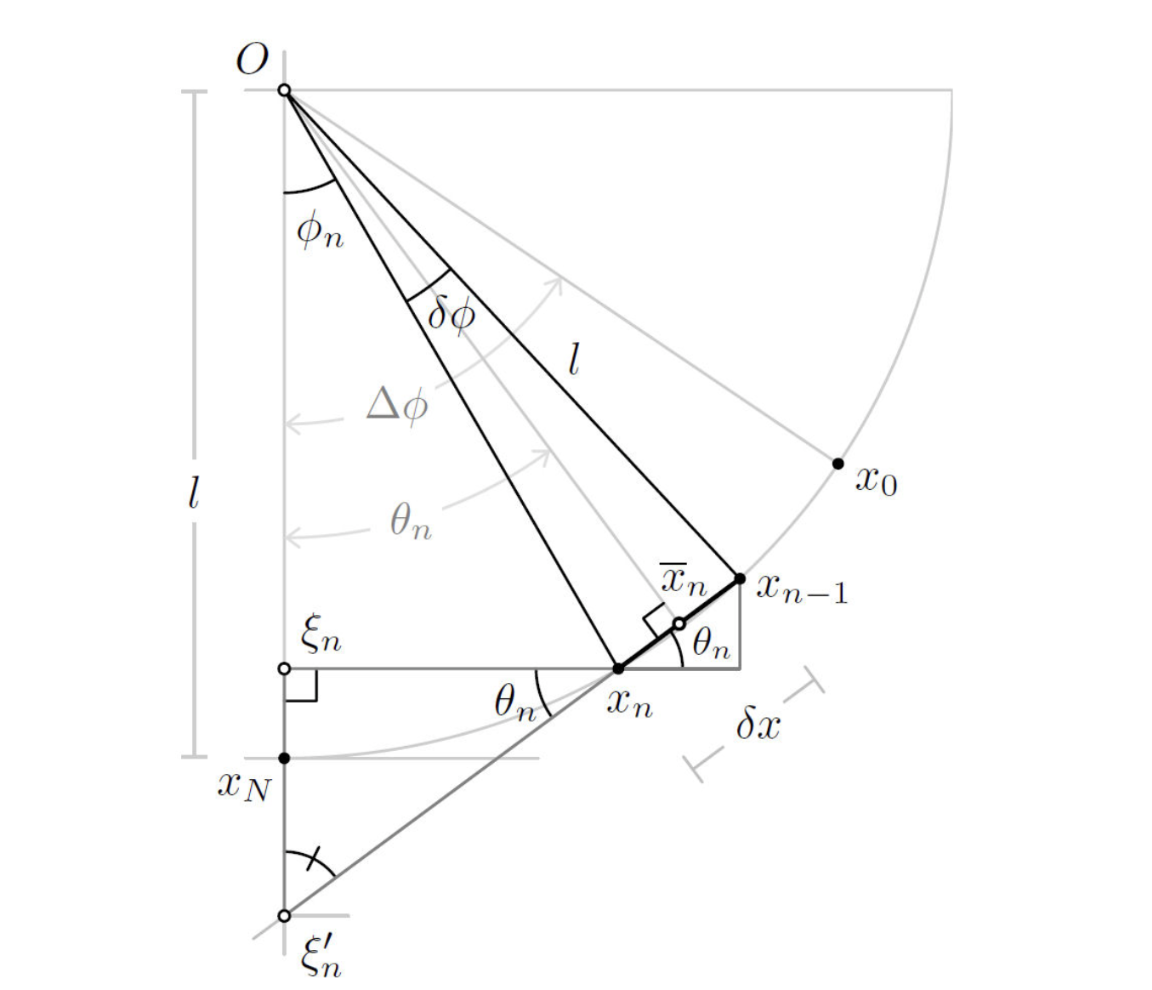
The period of oscillation of a simple pendulum ($T = 2\pi\sqrt{l/g}$) is a familiar formula to most first-year physics students. However, deriving this expression from first principles requires linearizing the equation of motion under the small-angle approximation and solving the resulting differential equation. From our point of view, this method may seem obscure to students in the early stages of learning calculus and lacking in physical insight. Therefore, we propose an alternative approach to the derivation of this formula that relies on geometry, algebra, and physical intuition. Our method follows the foundational idea of integral calculus, replacing the circular path of the pendulum with a successive collection of infinitesimal inclined planes and summing the travel times along each plane as the number of planes becomes very large. Remarkably, evaluating the limit of this sum relies solely on geometric reasoning, making the approach accessible to any student, even those not yet familiar with differential equations or integration techniques.
It is often assumed that quantum mechanics reached Mexico only after the Faculty of Sciences was established at the National Autonomous University of Mexico (UNAM) in 1938. Archival evidence shows, however, that as early as the 1920s, Mexican engineers were already teaching and disseminating this field -just like relativity, as reported in the literature- through limited institutional resources such as the Schools of Engineers and Higher Studies, along with the “Antonio Alzate” Scientific Society. Manuel Sandoval Vallarta, a renowned MIT physicist and disciple of the founders of both theories, was part of this early diffusion. From MIT, he maintained communication with those Mexican engineers in the 1920s and, in the 1930s, guided Alfredo Baños, the first director of UNAM’s Institute of Physics, and Carlos Graef Fernández, who introduced the first advanced courses in quantum mechanics and relativity in Mexico. At UNAM, Sandoval Vallarta also mentored Marcos Moshinsky, who later became a prominent quantum mechanical and theoretical physicist. This paper highlights the early introduction of these fields in Mexico, with Sandoval Vallarta’s participation both before and after the Faculty’s creation. His international stature enabled collaborations with eminent scientists, the advancement of theoretical physics, the founding of institutions, the training of distinguished disciples, and the inspiring future generations.
Revista Mexicana de Física E is a scientific journal published by Sociedad Mexicana de Fìsica, A. C.

The journal publishes original papers of interest to a worldwide audience of the physics scientific community in the following fields: Education in Physics, History of Physics and Philosophy of Physics.
Editor-in-chief: Ramón Castañeda Priego
Informamos a nuestros suscriptores que La Revista Mexicana de Física ha sido reconocida en el Sistema Nacional de Publicaciones Científicas y Humanísticas de la Secretaría de Ciencia, Humanidades, Tecnología e Innovación (SECIHTI). Un reconocimiento a la calidad y el rigor científico de nuestras publicaciones.

Authors: Our code of conduct states that, by being listed as an author of a manuscript, each coauthor assumes full responsibility for the accuracy, integrity, and originality of all its contents, regardless of the methods or tools used in its preparation.
The Rev. Mex. Fis. E is indexed in the following databases and reference services:
For Readers: We encourage readers to register for the journal's publication notification service. As a result of the registration, the reader will receive by email the Table of Contents of each issue of the journal.
For Authors: Are you interested in publishing in Revista Mexicana de Física? It is recommended to review the About the journal page for the journal's section policies, as well as the Author's Guidelines. Authors must register with the journal before publishing or, if they are already registered, they can simply log in and start the process.
For Reviewers: It is recommended to review the About the journal page for the journal's section policies, as well as the Guidelines for Reviewer.
For Editors: It is recommended to review the About the journal page for the journal's section policies, as well as the Guidelines for Section Editors.
For Librarians: Researchers / librarians are recommended to include this journal in their list of electronic journals. Likewise, it should be noted that the open source publishing system of this journal is suitable for libraries with teaching staff who wish to edit their own journals (see Open Journal Systems).
We are pleased to announce the publication of the new issue of the Revista Mexicana de Física E, corresponding to Vol. 23 No. 2 (2026) July-December.