







Vol. 72 No. 3 (2026): Revista Mexicana de Física

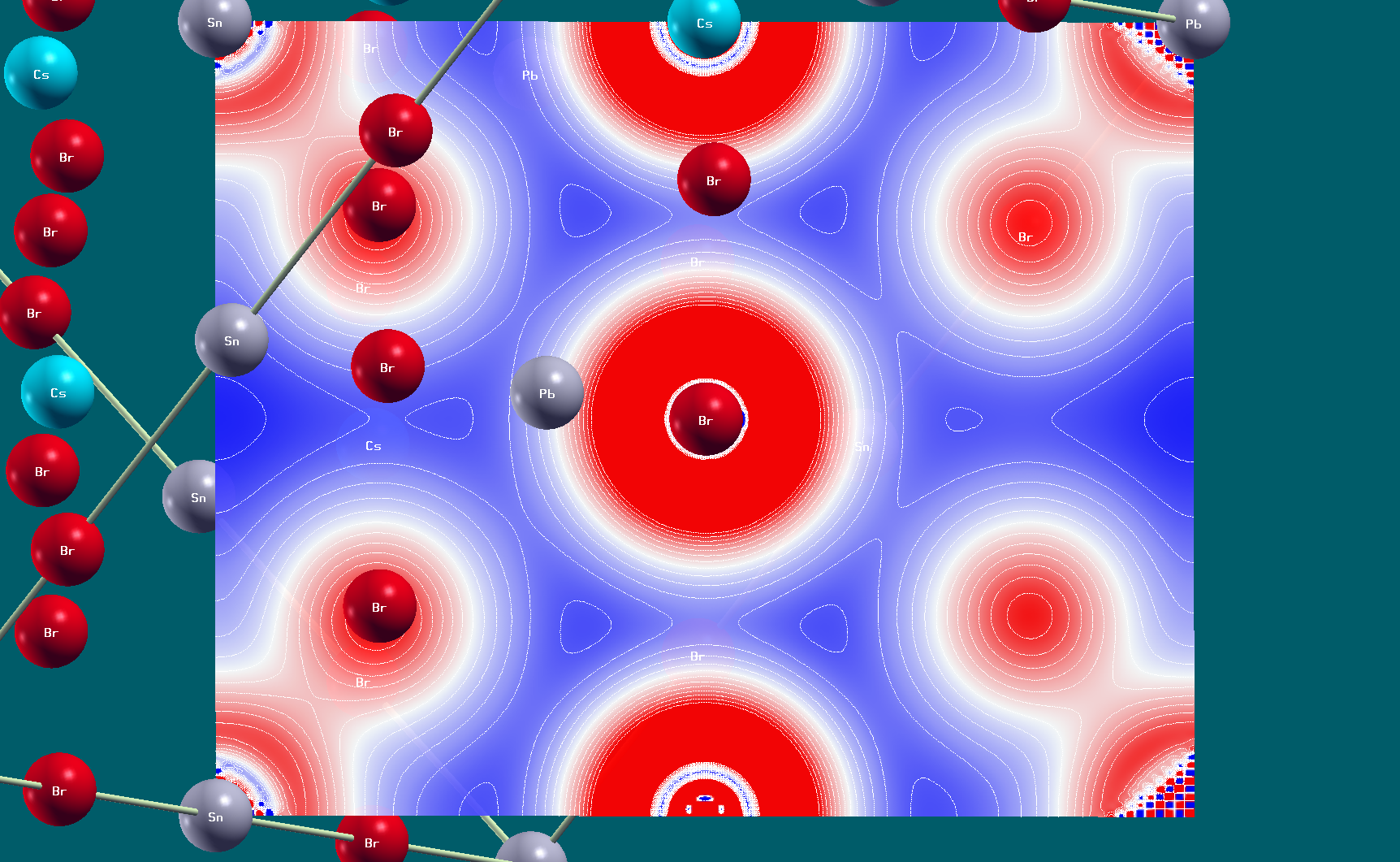
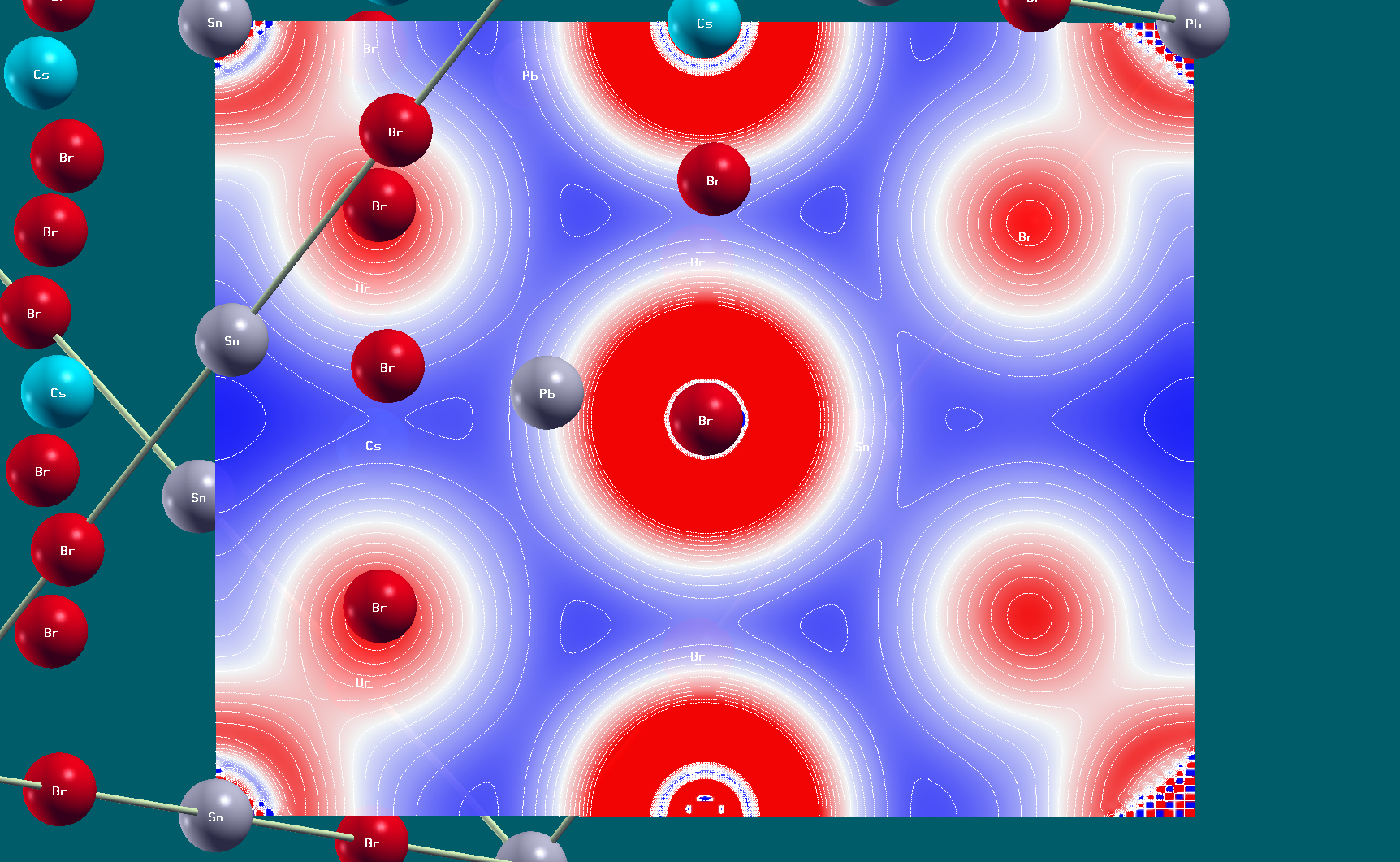
Charge density mapping of Cs₂PbSnBr₆ demonstrating the electronic redistribution within the crystal lattice and the strong halide-mediated interactions that contribute to its enhanced electronic and photovoltaic performance.

Featured Article:

A comprehensive DFT and SCAPS simulation study of the structural, electronic, elastic, optical, thermoelectric, and photovoltaic properties of the double perovskite Cs2PbSnBr6

M. Ghalab, A. Arrar, A. Hadj

REVISTA MEXICANA DE FÍSICA, year 72, issue 3, May-June 2026.
Bimonthly Journal published by Sociedad Mexicana de Física, A. C.
Chief Editor: Ramón Castañeda Priego.
eISSN: 2683-2224

Published: 2026-05-01

02 Letters

  • Further results on Sturm-Picone theorems for nonlinear fractional differential equations

    John R. Graef
    030201-030204
    Abstract:

    The author obtains Sturm-Picone comparison results for fractional differential equations involving conformable and nonconformable fractional derivatives. Examples illustrate the conclusions.

    ⬇️ Scroll down to see the full summary
    DOI: https://doi.org/10.31349/RevMexFis.72.030201

05 Condensed Matter

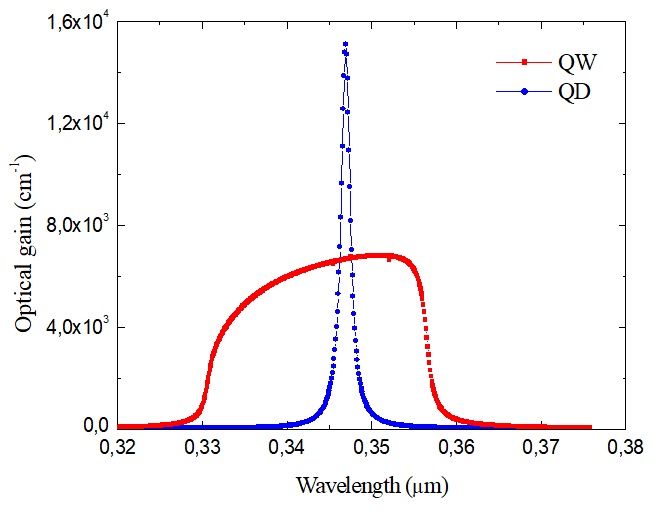
  • Comparative analysis of performance in GaN-based quantum well and quantum dot lasers

    H. Bouchenafa, B. Benichou
    030501-030511
    Abstract:

    This paper presents a comparative analysis of the gain characteristics and threshold current density of nitride laser structures based on quantum wells and quantum dots in the active gain regions by using a model based on the density matrix theory of semiconductor lasers with relaxation broadening. We concentrate on the effects of variation factors for this structure, such as a side length of quantum well and quantum dot, injected carrier density, and temperature, on laser parameters such as optical gain, optical confinement factor, modal gain, and threshold current density. It can be inferred from the results that the  based quantum dot has demonstrated better laser performances (high optical gain value, lower values of transparency carrier density, transparency current density, and threshold current density) than the quantum well in the active medium of the device structure

    ⬇️ Scroll down to see the full summary
    DOI: https://doi.org/10.31349/RevMexFis.72.030501
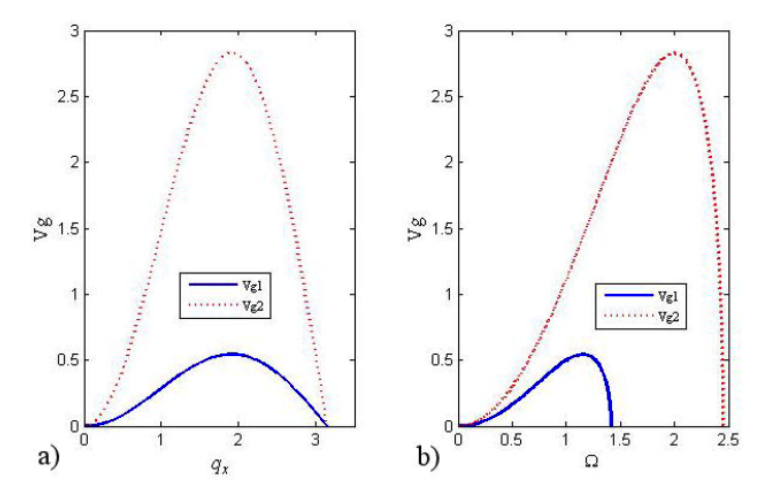
  • Phonons transmission via atomic impurity chains grafted on 2D lattice

    F. Lekadir, B. Bourahla, M. Boucherrab
    030502-030511
    Abstract:

    An analytical and numerical formalism is developed to study the influence of the various positions of atomic chain impurities (of type B) on the scattering and transmission vibration spectra in a 2D plane structure (of type A). To achieve this, we have opted for the matching technique. Theoretical formalism provides a complete description of the lattice dynamics and elastic wave propagation through impurity sites. More particularly, it allows the determination of the dynamical properties and localized vibration states of the atomic chain deposited on the planar system. Numerical calculations are performed for three different positions of a B-atom chain on a 2D lattice: top, bridge and hollow. The results show that the phonons associated with the grafted chain are strongly depending on the scattering frequency, elastic force parameters and the position of the impurities. In the three considered configurations, the presence of the atomic chain gives rise to localized vibration effects. The observed fluctuations spectra are related to vibration resonances due to coherent coupling between travelling phonons and the localized vibration modes in the neighborhood of the impurity chain sites.

    ⬇️ Scroll down to see the full summary
    DOI: https://doi.org/10.31349/RevMexFis.72.030502
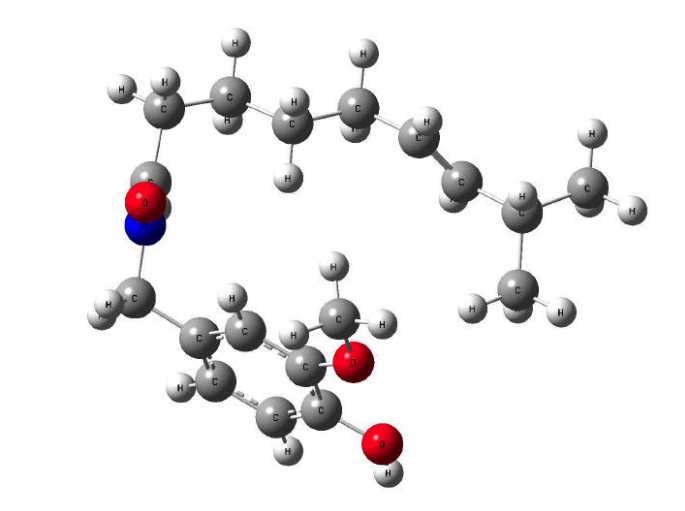
  • DFT simulations and Raman spectroscopy properties of Capsaicin

    Q. S. Martins, D. L. L. Oliveira
    030503-030511
    Abstract:

    A theoretical study of capsaicin was conducted using density functional theory (DFT) with the B3LYP and CAM-B3LYP functionals, combined with the 6-31G(d), 6-311+G(d,p), LanL2DZ, and CC-pVDZ basis sets. The study analyzed theoretical vibrational modes, Raman spectra, conformational energies, and global minima in geometric optimization. Results indicate that the LanL2DZ basis set provides the lowest conformational energies and the fastest computation times, whereas 6-31G(d) yields higher EPM values in VEDA. The CAM-B3LYP functional, particularly when combined with advanced basis sets such as 6-311+G(d,p) and CC-pVDZ, yields more accurate electronic property predictions. Overall, CAM-B3LYP/6-311+G(d,p) offers the best compromise between computational efficiency and spectral accuracy, while B3LYP/CC-pVDZ remains suitable for preliminary analyses.

    ⬇️ Scroll down to see the full summary
    DOI: https://doi.org/10.31349/RevMexFis.72.030503
  • SLAFEX 2024: Current vs voltage characteristic in an Al0.1In0.9As/InAs0.09N0.01/Al0.1In0.9As double-barrier heterostructure

    H. Paredes, C. L. Beltrán Ríos
    030504-030509
    Abstract:

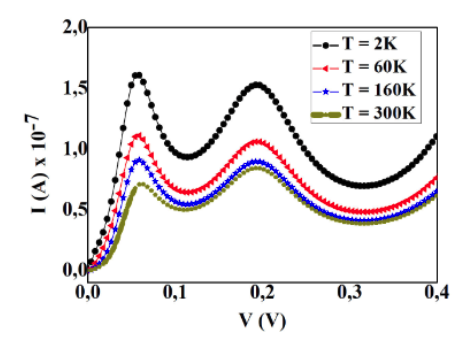
    This article reports the study of the characteristic behavior of current in function of applied voltage for a double-barrier heterostructure (DBH) of InAsAl/InAsN/InAsAl, considering low Nitrogen concentrations (< 1%) for different temperature values and with a magnetic field applied parallel and/or perpendicular to the double barrier system. This work used the theory of non-equilibrium Green’s function (NEGF). The current-voltage curves show new resonant states due to the incorporation of Nitrogen in the quantum well and the intensity of these peaks diminishes with the increased temperature. In addition, our results show that the effect of the applied magnetic field perpendicular to the current is stronger compared with the applied magnetic field parallel to the current, yielding a behavior similar to the experimental data by Di Paola [Sci. Rep. 2016; 6, 32039].

    ⬇️ Scroll down to see the full summary
    DOI: https://doi.org/10.31349/RevMexFis.72.030504

04 Atomic and Molecular Physics

  • The effect of the linker group between porphyrin dimers on the thermoelectric properties of molecular junctions

    G. Zamel Hassan, M. Deia Noori
    030401-030409
    Abstract:

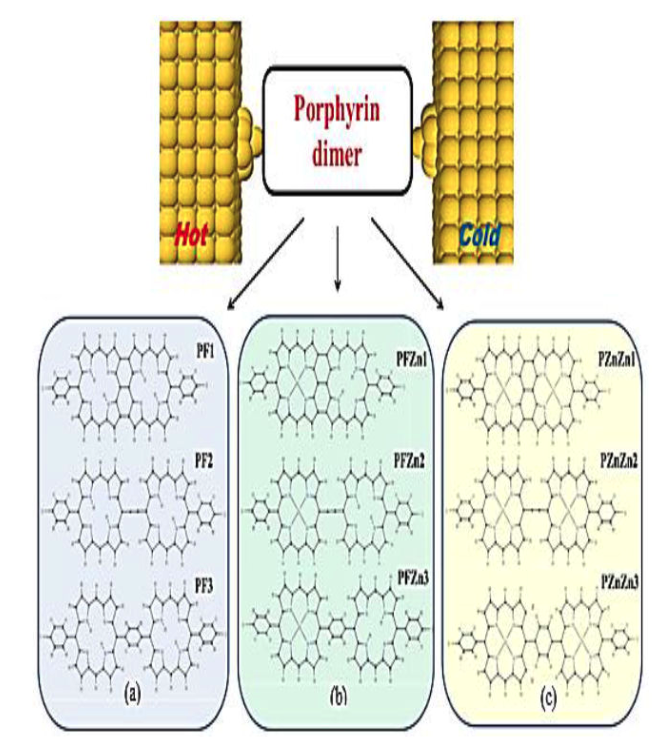
    The effect of the appearance of three different linkers between dimer porphyrins on the electronic and thermoelectric properties of three different dimer porphyrin families’ molecular junctions was investigated theoretically using a combination of density functional theory (DFT) methods. Our results show that in the free-based porphyrin dimer family, all electronic and thermoelectric properties have been affected by using different linkers between porphyrin dimers. While in the presence of one zinc metal ion in the center of the porphyrin dimer and the two zinc metal ion in the center of porphyrin dimer families, the results demonstrate that the electronic and thermal conductance is highly affected by the presence of three different linkers between these dimers. On the other hand, the thermopower of all other structures shows noticeable change, especially around the Fermi energy. Thus, the gradual appearance of zinc ion in the center of porphyrin dimer units with three different linkers between these dimers plays an essential role in these structures’ electric and thermal properties.

    ⬇️ Scroll down to see the full summary
    DOI: https://doi.org/10.31349/RevMexFis.72.030401

06 Fluid Dynamics

  • Experimental and numerical determination of the optimal stack position maximizing cooling efficiency in a thermoacoustic refrigerator

    A. Carrasco-Gonzaga, G. Domínguez-Librado, L. Del Llano Vizcaya; E. E. Rodríguez-Vázquez
    030601-030611
    Abstract:

    This paper focuses on studying and determining the appropriate distance for the location of the thermoacoustic stack, one of the basic components of thermoacoustic cooling systems. The position of the stack within the resonator tube is of utmost importance as it allows for the proper production of the thermoacoustic effect and maximizes energy exchange in the thermal boundary layer. The procedure used to determine the optimal position of the stack first describes the operating principle and the equations that govern the thermodynamic cycle. Subsequently, numerical modeling is developed by normalizing the variables involved, performing the best adjustment that allows for maximum energy efficiency of the device. The graph of the numerical solution shows the range of possibilities for the position of the stack and explains how it influences the energy efficiency of the system. The experimental validation process is carried out in a thermoacoustic prototype where two series of tests are performed: the first in a certain region by trial and error, and the second using the value found in the numerical modeling. The variable evaluated is the temperature difference using a thermal camera and temperature sensors. Finally, the results show that the best temperature gradient achieved in the cold zone corresponds to the maximum coefficient of performance evaluated in the prototype.

    ⬇️ Scroll down to see the full summary
    DOI: https://doi.org/10.31349/RevMexFis.72.030601

07 Gravitation, Mathematical Physics and Field Theory

  • Sharing symmetries

    G. F. Torres del Castillo
    030701-030705
    Abstract:

    Making use of the fact that the solutions of the Schrödinger equation for the harmonic oscillator can be expressed in terms of the solutions of the Schrödinger equation for a free particle, we find the effect on the wavefunctions of the harmonic oscillator produced by the spatial translations and the Galilean transformations on the wavefunctions of a free particle. We find that these symmetry transformations applied to the ground state of the harmonic oscillator produce the coherent states.

    ⬇️ Scroll down to see the full summary
    DOI: https://doi.org/10.31349/RevMexFis.72.030701
  • New exact solutions of the nonlinear space-time conformable symmetric regularized long wave equation using the extended fan sub-equation method

    R. Hussain, A. Ilyas, H. Rezazadeh, M. Ali Hosseinzadeh, S. Salahshour
    030702-030710
    Abstract:

    The non-linearity in numerous problems occurs due to the complexity of the given physical phenomena.
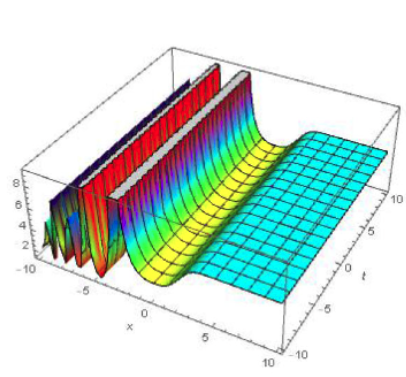
    This work aims to present the extended Fan sub equation method,which is successfully applied to get the analytical solutions to the space-time conformable symmetric regularized long wave (SRLW) equation. The results may be useful for analysing the depth and spacing of parallel subsurface drains and long waves with small amplitudes on the water’s surface in channels. The results that are obtained of the proposed approach are highly accurate and give beneficial information on the actual dynamics of every problem. The recommended method may be extended to solve more significant fractional order problems due to its simple implementation.

    ⬇️ Scroll down to see the full summary
    DOI: https://doi.org/10.31349/RevMexFis.72.030702

08 High Energy Physics

  • Vanishing into the Bulk: A Higher-Dimensional explanation for the disappearance of PHL 293B-LBV

    S. Natarajan
    030802-030817
    Abstract:

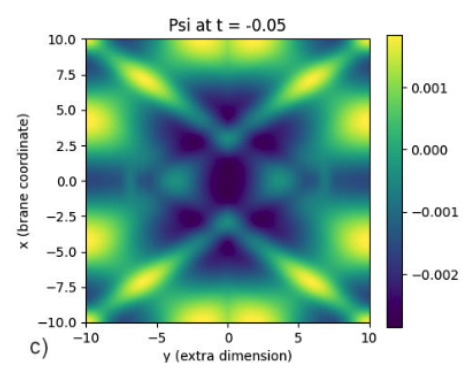
    In the current work, the possible explanations for the disappearance of PHL 293B-LBV using higher-dimensional physics, effective field theory, and interactions with dark matter or cosmic strings are studied. It has been proposed that PHL 293B-LBV’s disappearance is a consequence of matter leakage into extra dimensions, which are derived through braneworld physics, effective field theory, and interactions with dark matter or cosmic strings. Under the resonance (mΦ ≈ mΨ ∼ 10−18 GeV, gint ∼ 0.012), the star’s mass (50 Mʘ) decays in ∼ 1 day (Γ ∼ 1.16 × 10⁻⁵ s −1). This predicts lensing shifts (∆θ ∼ 8 × 10⁻⁶ arcsec) and orbital perturbations (∆v ∼ 60 cm/s), which are testable by LSST and Euclid, with KK graviton bounds (h < 10−40) and seems consistent with non-detection. The solutions obtained in this work suggest the existence of bound states as well as possible resonances at specific energy levels. Those are determined by gint, mΦ, and mΨ. From an effective field theory perspective, low-energy parameters such as coupling constants and mass terms are discussed. This work suggests that the star’s disappearance could be a consequence of fundamental physics rather than an astrophysical anomaly. A dispersion relation that governs matter leakage from the brane into the bulk is derived. Also, it has been shown that an imaginary component in the energy spectrum leads to an exponential decay of the star’s observable mass. This phenomenon explains the absence of usual astrophysical events such as supernova explosions or black hole formation. It has been found that unique and rare conditions affected the PHL 293B, but not the nearby stars.

    ⬇️ Scroll down to see the full summary
    DOI: https://doi.org/10.31349/RevMexFis.72.030802
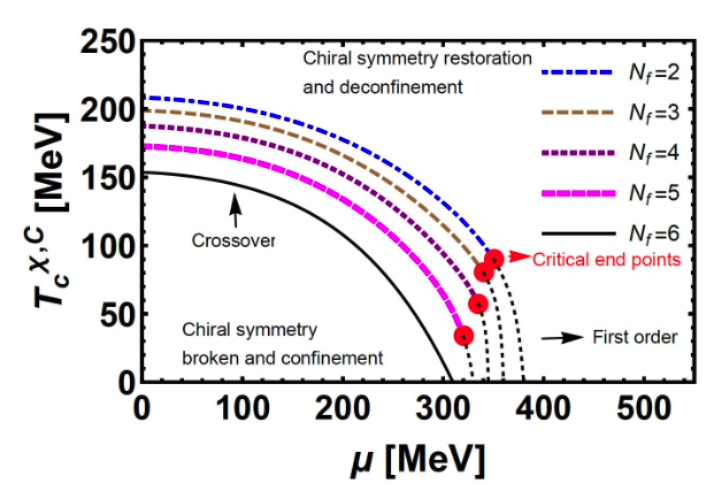
  • QCD phase diagram for large Nf : analysis from contact interaction effective potential

    Aftab Ahmad
    030801-030814
    Abstract:

    In this paper, we discuss the impact of a higher number of light quark flavors, Nf , on the QCD phase diagram under extreme conditions. Our formalism is based on the Schwinger-Dyson equation, employing a specific symmetry-preserving vector-vector flavor-dressed contact interaction model of quarks in Landau gauge, utilizing the rainbow-Ladder truncation. We derive expressions for the dressed quark mass Mf and effective potential Ω f at zero, at finite temperature T and the quark chemical potential µ. The transition between chiral symmetry breaking and restoration is triggered by the effective potential of the contact interaction, whereas the confinement and deconfinement transition is approximated from the confinement length scale τ˜ir. Our analysis reveals that at (T = µ = 0), increasing Nf leads to the restoration of chiral symmetry and the deconfinement of quarks when Nf reaches its critical value, N c f ≈ 8. At this critical value, in the chiral limit (mf = 0), the global minimum of the effective potential occurs at the point where the dressed quark mass approaches zero (Mf → 0). However, when a bare quark mass of mf = 7 MeV is introduced, the global minimum shifts slightly to a nonzero value, approaching Mf → mf . At finite T and µ, we illustrate the QCD phase diagram in the (T χ,C c − µ) plane, for various numbers of light quark flavors, noting that both the critical temperature Tc and the critical chemical potential µc for chiral symmetry restoration and deconfinement decrease as Nf increases. Moreover, the critical endpoint (TEP , µEP ) also shifts to lower values with increasing Nf . Our findings are consistent with other low-energy QCD approaches.


    ⬇️ Scroll down to see the full summary
    DOI: https://doi.org/10.31349/RevMexFis.72.030801

09 Instrumentation

  • Optimización del mapeo de campos físicos con la adición de un sensor giratorio

    M. Flores, B. Melissari
    030901 1-7
    Abstract:

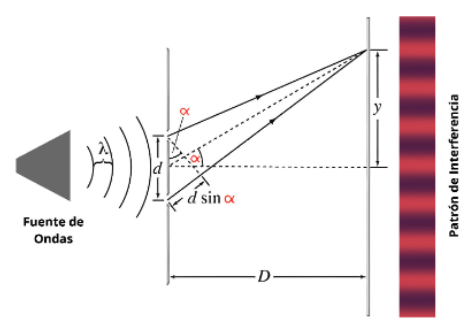
    En este trabajo se propone una técnica para optimizar el mapeo de campos en la física experimental. La metodología propuesta combina instrumentos de medición convencionales con un sensor de movimiento giratorio, permitiendo la obtención de mapeos continuos con una mayor densidad de datos y una reducción en los tiempos de medición. La misma fue puesta a prueba en prácticas básicas que se realizan en los primeros años de la licenciatura en Física, tales como mapeo de campos magnéticos y caracterización de fuentes de ondas por medio de un mapeo de intensidad.

    This work introduces a technique aimed at optimizing field mapping in experimental physics. The proposed methodology integrates traditional measurement instruments with a rotary motion sensor, facilitating the generation of continuous mappings with increased data density and reduced measurement times. The effectiveness of this approach was evaluated through practical experiments typically conducted in the initial stages of a Physics degree, including magnetic field mapping and the characterization of wave sources through intensity mapping.

    ⬇️ Scroll down to see the full summary
    DOI: https://doi.org/10.31349/RevMexFis.72.030901

10 Material Sciences

  • A comprehensive DFT and SCAPS simulation study of the structural, electronic, elastic, optical, thermoelectric, and photovoltaic properties of the double perovskite Cs2PbSnBr6

    M. Ghalab, A. Arrar, A. Hadj
    031001-031014
    Abstract:

    This study presents a comprehensive investigation of the double perovskite Cs2PbSnBr6 using first-principles Density Functional Theory (DFT) calculations and SCAPS-1D device simulations to explore its structural, electronic, elastic, optical, thermoelectric, and photovoltaic properties. The structural analysis confirms the cubic phase (space group Fm-3m) with excellent mechanical stability, as evidenced by elastic constants and bulk modulus (18.88 GPa). Electronic band structure calculations, performed using TB-mBJ + SOC, reveal a direct bandgap of 1.63 eV. High optical responsiveness is observed in the material, possessing large absorption coefficients (∼ 105 cm−1 ) in the visible and UV range and low reflectivity. Thermoelectric analysis indicates promising performance, with a high Seebeck coefficient and power factor (∼ 1012 a.u.). SCAPS-1D simulations demonstrate outstanding photovoltaic performance, achieving a power conversion efficiency (PCE) of up to 31.8% under optimized conditions, with a high open-circuit voltage (Voc ∼ 1.61 V) and fill factor (FF ∼ 86.7%).

    ⬇️ Scroll down to see the full summary
    DOI: https://doi.org/10.31349/RevMexFis.72.031001
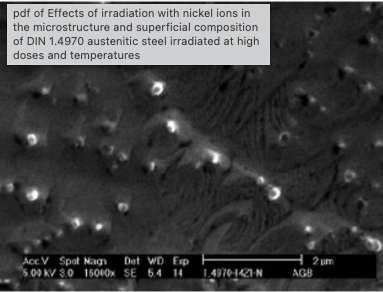
  • Effects of irradiation with nickel ions in the microstructure and superficial composition of DIN 1.4970 austenitic steel irradiated at high doses and temperatures

    N. A. Flores-Fuentes, C. Juárez-León, Á. Morales-González, J. M. Tirado-Lule, J. A. Morales-González, R. Vázquez-Arreguín, E. O. Madrigal-Santillán, L. Anguiano-Robledo, L. Delgado Olivares, E. O. López-de-León
    031002-03110
    Abstract:

    In this work, we conducted a study on the microstructural and compositional changes on the surface of German Institute for Standardization in English (DIN) 1.4970  Austenitic Steel irradiated with Nickel (Ni) ions at a dose of 360 (dpa) and a temperature of 650°C. We employed techniques of S diffraction in Grazing X-Ray Diffraction (GXRD) and X-ray Photoelectron Spectroscopy (XPS) to characterize the surface of the steel after each treatment. The study found that the concentration of iron (Fe) and chromium (Cr) in the Non-Irradiated Zone (NIZ) was greater with respect to the Irradiated Zone (IZ), while the concentration of the elements Nickel (Ni) and Silicon (Si) in the NIZ is lesser with respect to the IZ. In addition, there was a decrease of Fe and Cr and an increase of Ni and Si   due to the irradiation. The damage caused by the Ni ions to the DIN 1.4970 steel is found at 1.560 µm below the surface.

    ⬇️ Scroll down to see the full summary
    DOI: https://doi.org/10.31349/RevMexFis.72.031002
  • Investigation of the indium effect on the structural, optical and wettability characteristics of SnO₂ thin films prepared by rapid thermal evaporation

    L. Baghriche, D. Dergham, F. Lekoui, K. Badani, S. Hassani, D. Guitoume, A. Ayadi, F. Ynineb
    031003 1–9
    Abstract:

    While indium (In) doping of tin oxide (SnO2) has been extensively explored for its structural, optical, and electrical properties, its combined effect on surface wettability and multifunctional performance remains largely unexplored. In this study, indium-doped SnO2 thin films were synthesized via rapid thermal evaporation, and their structural, morphological, optical, electrical, and wettability properties were systematically correlated. Both undoped and In-doped films were deposited on glass and silicon substrates. X-ray diffraction (XRD) confirmed the formation of polycrystalline SnO2 with a dominant tetragonal phase in both undoped and doped samples, while atomic force microscopy (AFM) revealed a significant reduction in surface roughness from 9.6 nm for undoped films to 3.6 nm upon incorporation of 5 wt.% indium. Optical transmission measurements, carried out using a UV-Vis spectrophotometer showed enhanced optical transparency with indium incorporation, reaching over 86% at 5 wt.% In and remaining around 80% for higher doping levels (10-15 wt.%). The optical band gap exhibited minor variations with doping, initially increasing from 3.80 eV (undoped) to 3.81 eV (5 wt. %), then slightly decreasing to 3.78 eV (10 wt. %), and rising again at 15 wt. % indium, reflecting tunable optoelectronic behavior. Four-point probe measurements demonstrated a decrease in resistivity with increasing indium content. Contact angle measurements using a surface tensiometer showed that all films displayed hydrophilic surfaces.

    ⬇️ Scroll down to see the full summary
    DOI: https://doi.org/10.31349/RevMexFis.72.031003

12 Nuclear Physics

  • Constructing velocity-dependent potentials for screened Coulomb modified non-local interactions

    D. Naik, B. Swain, U. Laha
    031201-031209
    Abstract:

    Energy-momentum-dependent potentials corresponding to a separable non-local potential and a local potential are created to explore nucleon-nucleon and nucleon-nucleus systems. There is either no hardcore or a quasi-hard core in the created local potentials. Using the phase function method, elastic scattering phase shifts are calculated for the nucleon-nucleon and alpha-nucleon systems, and the results show reasonable agreement with experimental data. Utilizing the s-wave phase parameters, the scattering cross sections are also estimated.

    ⬇️ Scroll down to see the full summary
    DOI: https://doi.org/10.31349/RevMexFis.72.031201

13 Optics

  • Light refraction in the Earth's atmosphere IV. The rainbow.

    A. Cruzado, A. Cesanelli, C. A. Paola
    031301-031314
    Abstract:

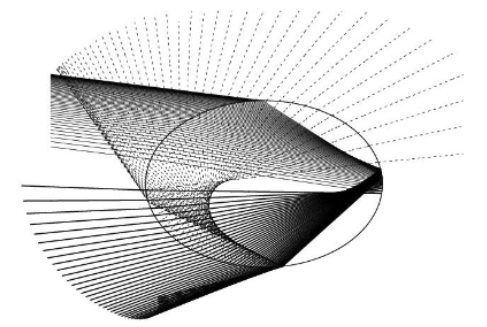
    We approach the study of the rainbow with two primary objectives: 1) to analyze the explicit dependence of the intensity and angular position of the first-order rainbow on different parameters, critically, water temperature; 2) to compare the results of geometric optics with those derived from wave theory. To achieve this, we implemented a discretization method to circumvent the obstacle posed by geometric optics, where the cross-section, and thus light intensity, diverges at the minimum deviation angle. Wave phenomena were incorporated using the Airy approximation. Through calculations spanning a broad range of parameter values, we derived analytical expressions that efficiently compute both the light intensity at the first-order rainbow’s peak and its angular position, as functions of light wavelength, drop radius, and water temperature.

    ⬇️ Scroll down to see the full summary
    DOI: https://doi.org/10.31349/RevMexFis.72.031301
  • Soliton solutions to the 3-dimensional KdV and modified 3-dimensional KdV equations

    A. Danladi, A. Tahir, H. Rezazadeh, M. Ali Hosseinzadeh, S. Salahshour
    031302-031308
    Abstract:

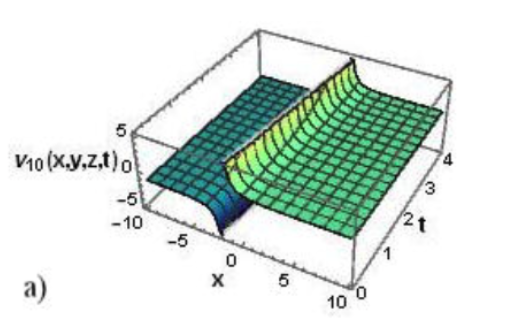
    In this study, we successfully employed the Tanh-Coth method alongside the Riccati equation transformation to derive exact soliton solutions for both the three-dimensional Korteweg-de Vries (3D KdV) equation and its modified variant. This analytical approach enabled the systematic reduction of the complex nonlinear partial differential equations to solvable ordinary differential equations. By assuming a traveling wave transformation and expressing the solution in terms of hyperbolic tangent and hyperbolic cotangent functions, solutions of the Riccati equation, we obtained a variety of solitary wave profiles, including kink, anti-kink, and localized pulse solutions. Graphical representation for some of the obtained solutions is portrayed to show the nature of the kink, anti-kink and localized pulse solution in 3D, contours and 2D respectively, by choosing suitable values of parameters.

    ⬇️ Scroll down to see the full summary
    DOI: https://doi.org/10.31349/RevMexFis.72.031302
  • Formation of optical solitons to the nonlinear Kariat-X Equation via analytical techniques

    G. Akram, M. Sadaf, S. Arshed, P. Bakhtawer, A. Bekir
    031303-031310
    Abstract:

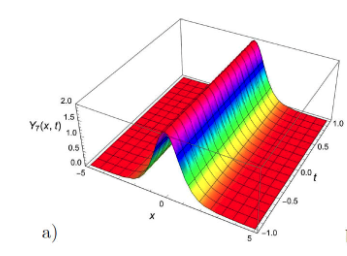
    In this research, exact traveling wave solutions of nonlinear Kairat-X model are derived using modified F-expansion method and extended hyperbolic function method. Different solutions to the proposed model has been constructed using these methods. Trigonometric function solutions, soliton solutions, rational solutions and exponential solutions are obtained using modified F-expansion method. The solutions obtained by extended hyperbolic function method are periodic, singular, bright, dark and periodic singular soliton solutions. The obtained results are explained by plotting some graphs in 3D, 2D (line plots) and contour plots using Mathematica which demonstrates the structure of solutions.

    ⬇️ Scroll down to see the full summary
    DOI: https://doi.org/10.31349/RevMexFis.72.031303