






Vol. 72 No. 5 (2026): Revista Mexicana de Física

					View Vol. 72 No. 5 (2026): Revista Mexicana de Física

Featured Article:

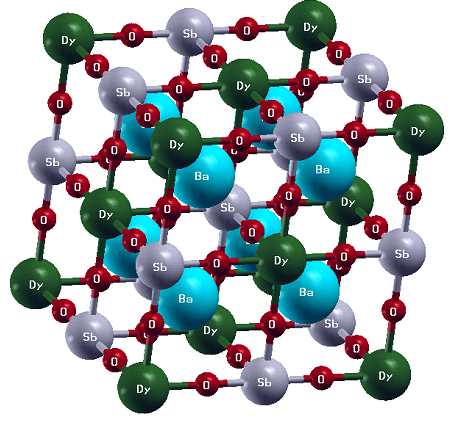
Elastic, optical and thermodynamic properties of the double perovskites Ba₂DySbO₆: Applications in spintronic devices.

A. Touia, S. Ilhem Messaoudi


REVISTA MEXICANA DE FÍSICA, year 72, issue 5, September-October 2026.
Bimonthly Journal published by Sociedad Mexicana de Física, A. C.
eISSN: 2683-2224

Chief Editor: Ramón Castañeda-Priego |

Editorial Board Journal Managers: Edgar Iván Preciado Govea (ei.preciadogovea@ugto.mx) •  Fidencio Pérez Hernández (fisicafide27@gmail.com) | Technical Staff: Julio César Pérez Pedraza • Juan Domingo García Muñoz • Efraín R. Garrido Román | Secretary: María Magdalena López Reynoso

Published: 2026-09-01

Atomic and Molecular Physics

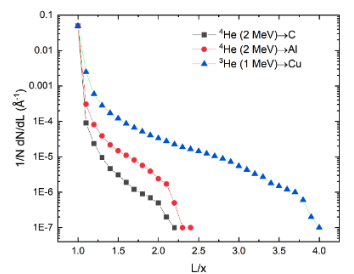
  • Effect of energy loss on the lateral spread of MeV helium ions in C, Al, and Cu: Comparison with experimental data

    A. Mekhtiche, K. Khalal-Kouache
    1-7
    Abstract:

    The Marwick-Sigmund model has been widely used to calculate the lateral spread of ions transmitted through matter. However, this model neglects the effect of ion energy loss within the target material. In this study, the model was employed to calculate the lateral spread distributions of MeV helium ions transmitted through carbon, aluminum, and copper targets. Ion energy loss was incorporated into the calculations using an approach analogous to that used for determining the angular distributions of transmitted ions. A comparison of our results with experimental data indicates that incorporating energy loss substantially enhances the overall agreement. Furthermore, this approach provides a rigorous method to account for lateral spread in depth resolution estimates for ion-beam analysis, particularly when nuclear stopping is a significant component of total stopping power.

    ⬇️ Scroll down to see the full summary
    DOI: https://doi.org/10.31349/RevMexFis.72.050401

Fluid Dynamics and Granular Matter

  • Time evolution of contact-angle dynamics for water and sodium chloride solution droplets during evaporation

    Ikromjon Madaminov
    1-8
    Abstract:

    In this work, the time evolution of the contact-angle dynamics of distilled water droplets and 0.9% sodium chloride solution droplets placed on a solid glass surface was investigated experimentally during evaporation. The contact angle was determined using a simple geometric approach based on spherical-cap geometry from the droplet height and base diameter, without employing complex optical goniometric systems. The experiments were conducted under controlled environmental conditions, and the time-dependent variation of the contact angle was analyzed in detail. The results show that, for the 0.9% sodium chloride solution droplet, the contact angle decreases faster and in an almost monotonic manner compared with the distilled water droplet. In contrast, the water droplet exhibits stick–slip behavior associated with contact-line pinning and depinning processes. The obtained results indicate that electrolyte ions influence wetting properties and contactline dynamics. This study demonstrates the applicability of a simple geometric approach for contact-angle analysis without using complex goniometric systems. Furthermore, the obtained results for the 0.9% NaCl solution may serve as useful reference data for modeling the evaporation behavior of physiological saline droplets on solid substrates.

    ⬇️ Scroll down to see the full summary
    DOI: https://doi.org/10.31349/RevMexFis.72.050601

Gravitation, Mathematical Physics and Field Theory

  • Constructing the Hamiltonian for a free 1D KFGM particle in an interval

    Techapon Kampu , Salvatore De Vincenzo
    1-11
    Abstract:

    We analyze the problem of a free 1D Klein-Fock-Gordon-Majorana (KFGM) particle in an interval. By free, we mean that there is no potential within the interval and that its walls are penetrable; hence, the energy current density does not vanish at the walls. Certainly, quantization in an interval is not trivial because certain restrictions imposed by the domains of the operators involved arise. Here, our objective is to obtain the Hamiltonian for these particles. In practice, the Feshbach-Villars (FV)--free Hamiltonian is the proper operator for characterizing them and is a function of the momentum operator. Additionally, a Majorana condition must also be imposed on the wavefunctions on which these two operators can act. Thus, we start by calculating the pseudo self-adjoint momentum operator. A three-parameter set of boundary conditions (BCs) constitutes its domain. Up to this point, the domain of the Hamiltonian is induced by the domain of the momentum operator; however, we ensure that only the BCs for which the energy current density has the same value at each end of the interval are in its domain. All these BCs essentially belong to a one-parameter set of BCs. Moreover, because the FV equation is invariant under the operation of parity, the parity-transformed wavefunction is also a solution of this equation, which further restricts the domain of the free FV Hamiltonian. Finally, knowing the most general three-parameter set of BCs for the pseudo self-adjoint FV Hamiltonian for a 1D KFGM particle in an interval, we find that only two BCs can remain within the domain of the FV--free Hamiltonian: the periodic BC and the antiperiodic BC. These BCs are satisfied by both the two-component FV wavefunction, with these components being related, and the one-component KFG wavefunction, which can be real or imaginary.

    ⬇️ Scroll down to see the full summary
    DOI: https://doi.org/10.31349/RevMexFis.72.050701
  • Hermitian hamiltonians and imaginary eigenvalues beyond the Hilbert space

    Mustapha Maamache
    1-7
    Abstract:

    In a quantum system initially in the $n$-th eigenstate, an adiabatic evolution of the Hamiltonian ensures that the system remains in the corresponding instantaneous eigenstate while acquiring a phase factor. This phase has two components: one resulting from standard time evolution and another associated with the dependence of the eigenstate on the varying Hamiltonian, known as the Berry phase. In this work, we explore the concept of geometric amplitudes in the context of a Hermitian Hamiltonian. We introduce the notion of geometric amplitude and provide a novel derivation of this concept. Our study reveals that a system undergoing cyclic evolution under adiabatic conditions acquires an additional amplitude factor of purely geometric origin. To illustrate this idea, we apply it to a concrete case: a generalized inverted harmonic oscillator. Although a pseudo-inner product can be introduced to make resonance states formally normalizable, this procedure relies on a non-unitary metric operator and defines a modified Hilbert space; it does not restore normalizability nor self-adjointness in the standard $L^2(R)$ framework.

    ⬇️ Scroll down to see the full summary
    DOI: https://doi.org/10.31349/RevMexFis.72.050702
  • Dimensional consistency in fractional differential equations with non singular kernels

    Gabriel Gonzalez Contreras
    1-6
    Abstract:

    The purpose of this article is to address the issues of dimensional consistency that arise in the process of replacing the ordinary time derivative operator by a fractional derivative operator in order to write a fractional differential equation. We show that by performing a simple change of variables fulfilling certain conditions ensures the consistency in physical dimensions for fractional differential equations with non singular kernels. An example of the proposed method is given.

    ⬇️ Scroll down to see the full summary
    DOI: https://doi.org/10.31349/RevMexFis.72.050703

High Energy Physics

  • Systematic analysis of fermionic masses and flavor mixings: a model-independent approach

    O. Félix-Beltrán, E. Barradas-Guevara, F. González-Canales, V. Luna-Mendoza, A. Pérez-Martínez, M. Ramos-Martínez
    1-14
    Abstract:

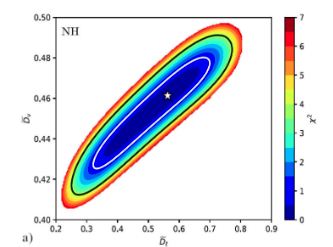
    In a model-independent context, we perform a systematic and detailed study of the fermion flavor masses and mixings.
    In this analysis, we present a most general parameterization form of the $3 \times 3$ mass matrix, as well as the Pontecorvo–Maki–Nakagawa–Sakata flavor mixing matrix, in terms of the fermionic masses and some free parameters. A likelihood test using the $\chi^{2}$ statistic is implemented to evaluate whether the theoretical expressions for the leptonic flavor mixing angles also reproduce the experimental data. The results of the $\chi^{2}$ fit show that the theoretical expressions obtained for the Pontecorvo–Maki–Nakagawa–Sakata mixing matrix correctly reproduce the actual experimental data on neutrino oscillations.

    ⬇️ Scroll down to see the full summary
    DOI: https://doi.org/10.31349/RevMexFis.72.050801
  • A charged black string wormhole with disclinations: Ray and wave optics

    A. Bouzenada, F. Ahmed, İ. Sakallı
    1-17
    Abstract:

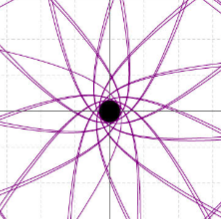
    This study investigates the optical behavior of photon rays and scalar waves in a three-dimensional static Black String Charged Wormhole (BSCWH) spacetime featuring topological disclinations. By analyzing null geodesics and the scalar Helmholtz equation, we present a unified treatment of light and wave propagation in curved spacetime with geometric defects. The disclination parameter accounts for angular deficits due to topological defects, the wormhole parameter governs throat geometry, and the Neveu-Schwarz (NS) charge introduces a string-inspired field contribution. These factors jointly influence light bending, photon orbits, and scalar wave modes. Scalar wave propagation reduces to a Schrödinger-like equation with an effective potential, from which we derive a spatially and frequency-dependent effective refractive index.  We obtain a closed-form weak-field deflection angle in terms of the geometric parameters and the disclination, and demonstrate that the trivial redshift function inherent to the BSCWH geometry precludes the formation of a photon sphere, yielding instead a critical impact parameter set by the throat radius. In the wave-optics sector, we show that the effective potential diverges at the throat, enforcing total reflection of scalar waves and producing frequency-dependent phase shifts characteristic of a dispersive analogue-gravity medium. Our findings reveal how curvature, charge, and topological features modify optical signatures, with implications for gravitational lensing, analogue gravity experiments, and optical media design. This work highlights the role of string-inspired effects and spacetime defects in shaping wave dynamics near wormholes.

    ⬇️ Scroll down to see the full summary
    DOI: https://doi.org/10.31349/RevMexFis.72.050802

Material Sciences

  • A brief study concerning thermal transport properties of B-C-N monolayers and graphene/X nanoribbon heterojunctions: Influences of carbon concentration and mean temperature

    Gustavo Cuba-Supanta, Melquicedec Martinez Rios, Chachi Rojas Ayala, Justo Rojas Tapia
    1-8
    Abstract:

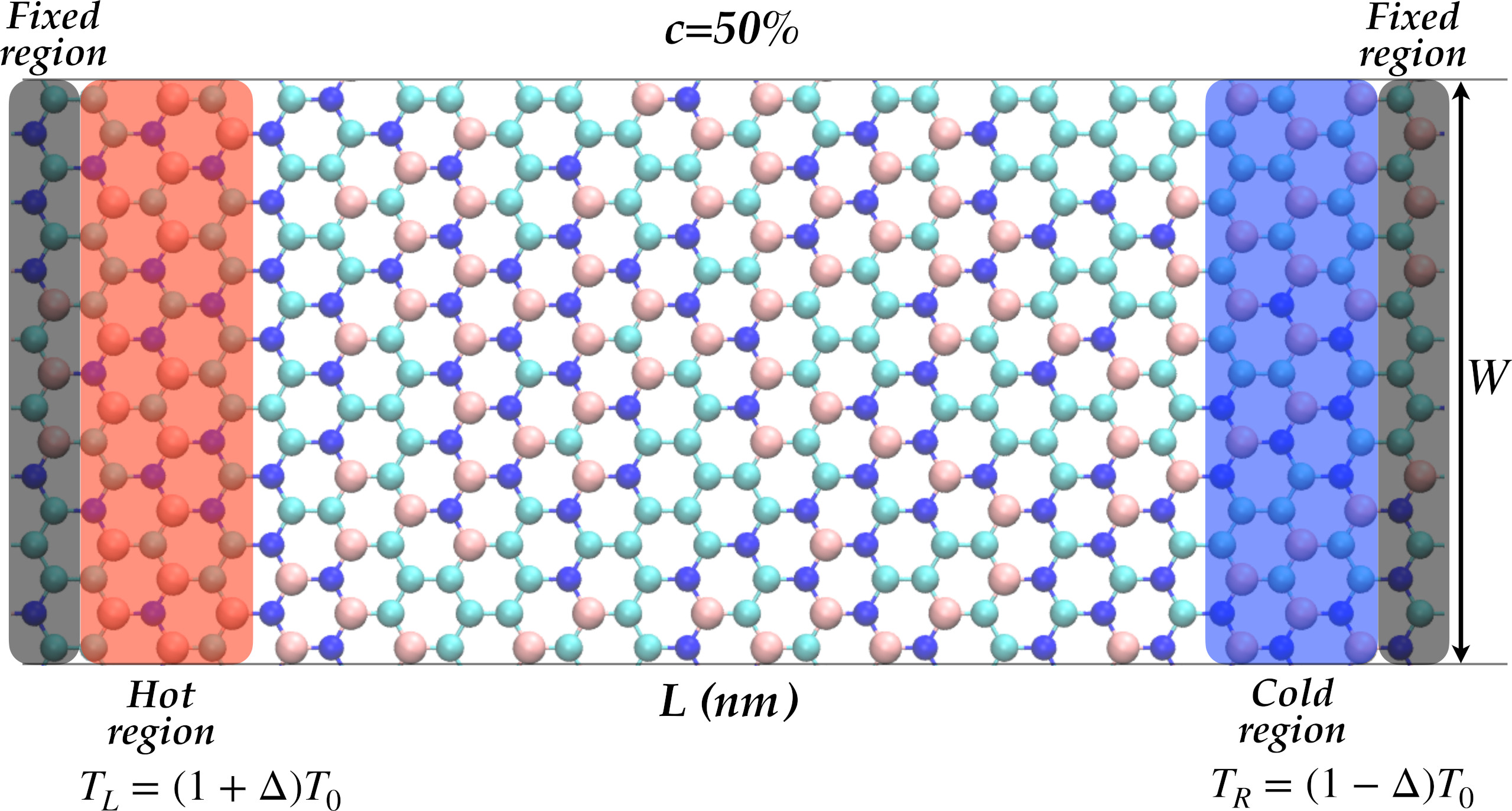
    A wide variety of two-dimensional (2D) materials provide an optional route for manipulating heat fluxes at the nanoscale. Nowadays, 2D carbon-based materials have received important attention due to their adjustable transport properties by a controlled tuning of composition, junction, geometry, etc. In the present paper, we address the thermal transport properties of the B-C-N (Boron-Carbon-Nitride) monolayers and graphene/X (X=hBN, hSiC, and graphane) nanoribbon heterojunctions by performing non-equilibrium molecular dynamics simulations. Our results show that the carbon concentration modifies the thermal conductivity of B-C-N monolayers at a mean temperature of 300 K, producing values of 29.47, 28.94, and 16.58 W/m−K for concentrations of 90, 10, and 50%, respectively. Nevertheless, no major effect of carbon concentration on the temperature profile of B-C-N monolayers is observed. On the other hand, the mean temperature influences the interface thermal resistance and thermal conductivity of coplanar graphene/X nanoribbon heterojunctions, these variations are observed for the forward direction of the heat flux, modulating the temperature drop at the interface. Besides, graphene/hBN and graphene/graphane heterojunctions show a pronounced thermal rectification at a mean temperature below 300 K, compared to graphene/hSiC heterojunction. In which the heat fluxes present an asymmetry in the $j−\Delta$ curve, highlighting that the heat flux in the backward direction preferentially flows from X (hBN and graphane) to graphene nanoribbons.

    ⬇️ Scroll down to see the full summary
    DOI: https://doi.org/10.31349/RevMexFis.72.051001
  • Hot-rolled Zn22Al2Cu-NaCl composite with initial fine-grained and cast-metal matrix microstructures

    José Arturo Aragón-Lezama, Gabriel Torres-Villaseñor
    1-8
    Abstract:

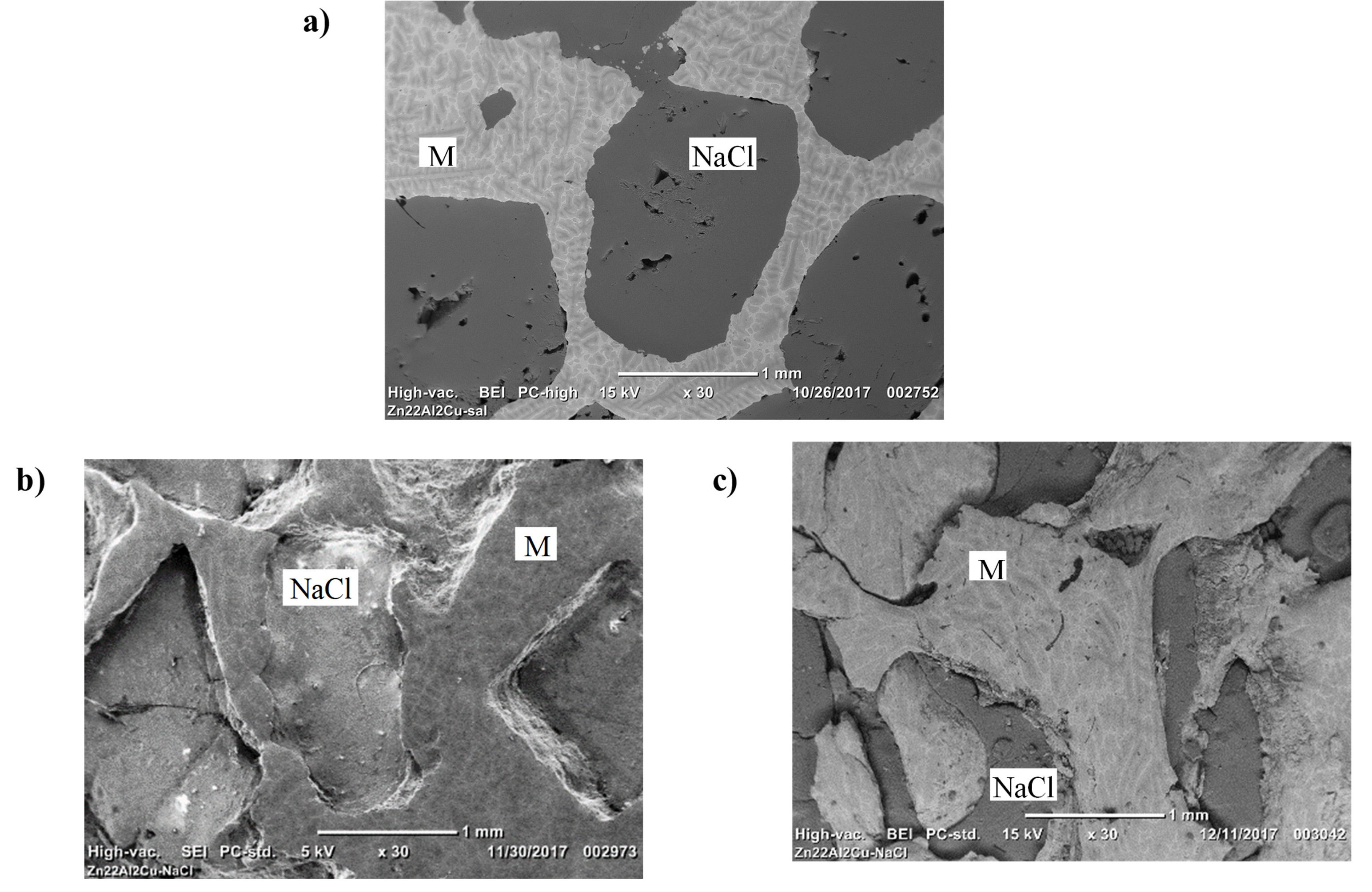
    A composite of a Zn22Al22Cu matrix and NaCl particles was developed to establish whether this material could be hot-rolled and, if feasible, to determine the structural changes according to the initial matrix microstructure and percent section reduction achieved with this process. The composite was made by melting the alloy, adding the particles, molding, compressing the mixture of metal and particles, and air cooling, with an approximate (mass of particles)/(mass of alloy) ratio equal to 0.6. Plates of the composite with the initial cast-metal matrix microstructure and with a heat-treated initial fine-grained matrix microstructure were hot-rolled in two stages to approximately 80% section reduction at 230◦C. Plate samples that were not rolled, plates hot-rolled to approximately 50% section reduction and plates hot-rolled to the maximum percent reduction were mirror-polished, and the matrix and NaCl-particle interfaces were analyzed and imaged with a scanning electron microscope. Vickers microhardness was measured in the matrix and in NaCl particles, and Rockwell hardness F of the nonrolled and hot-rolled composites was determined. The cast-metal matrix microstructure acquired shape texture without recrystallization, while the finegrained matrix microstructure recrystallized with increasing rolling %. The NaCl particles deformed together with the matrix and hardened, with the hardening speed being greater when the matrix was fine-grained. The composite could be hot-rolled with either microstructure, with the cast-metal matrix microstructure being more favorable. The hot-rolling of this material allows the production of thin cellular sheets to be obtained.

    ⬇️ Scroll down to see the full summary
    DOI: https://doi.org/10.31349/RevMexFis.72.051002
  • Influence of active layer thickness on the performance of P3HT: PC$_{61}$BM organic photovoltaic devices analyzed via J–V characteristics

    Brahim Ait Ali, Reda Moubah
    1-6
    Abstract:

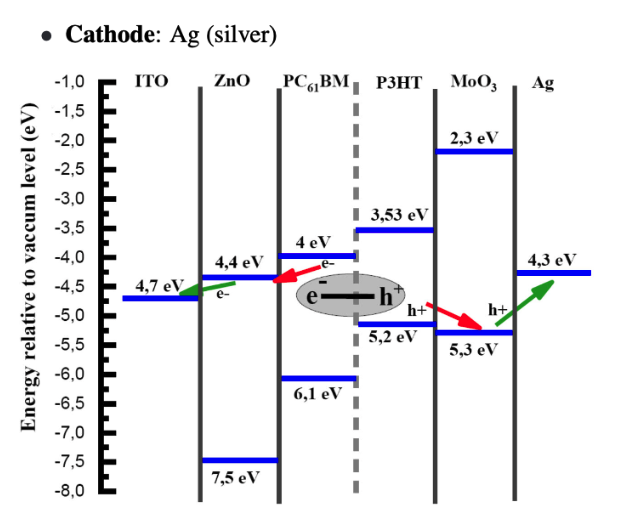
    Optimizing the thickness of the active layer is essential to improve the performance of organic solar cells. In this study, we examined how the thickness of the active layer, made of a P3HT:PC61BM blend, influences the key electrical parameters of inverted organic solar cells. Four prepared photovoltaic cells were prepared using a typical device structure of  ITO /ZnO /P3HT:PC61BM /MoO3 /Ag . The active layer of  P3HT : PC61BM was deposited by spin coating with different thicknesses of 80, 150, 200, and 300 nm.  We used the different J-V characteristics to extract parameters such as the open-circuit voltage, short-circuit current density, series resistance, and shunt resistance. Based on these measurements, the results indicate that Voc remains nearly stable between 80 nm and 200 nm, before dropping sharply at 300 nm due to recombination losses. Furthermore, Jsc increases with thickness and reaches its maximum at 300 nm, thanks to improved light absorption. The fill factor peaks (~50%) at a thickness of 150 nm, then decreases, reflecting an imbalance between charge collection and internal losses. To provide a deep understanding of this behavior, we also analyzed the resistive parameters. The series resistance Rs increases from 27.11 Ω·m² to 27.52 Ω·m² when the thickness increases from 80 to 150 nm due by the increased defect density in the layer structure with additional layer stacking, then rises to 28.87 –34.55 Ω·m² for 200–300 nm respectively because of the longer charge transport path and increased recombination. Finally, the shunt resistance Rsh increases up to 150 nm suggests improved film uniformity and better surface coverage, thus minimizing shunt defects, before decreasing at 200 and 300 nm. This suggests that increasing the material volume statistically leads to a higher density of volumetric defects.

    ⬇️ Scroll down to see the full summary
    DOI: https://doi.org/10.31349/RevMexFis.72.051003
  • Synthesis and characterization of graphene oxide from tropical fruit peel waste using liquid phase exfoliation sonication and magnetite as catalyst

    Wira Widyawidura, Yulanada Kurnia Pradani, Wipsar Sunu Brams Dwandaru, Husein Putra Prihanto, ⁠Luthfi Erzzat Ibrahim, Muhammad Noviansyah Aridito
    1-6
    Abstract:

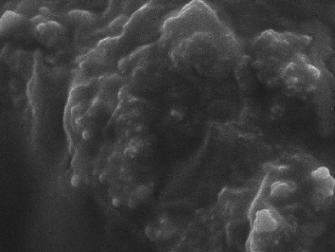
    Graphene oxide (GO) is a highly versatile nanomaterial with remarkable structural, electrical, and surface properties, making it useful for energy storage, catalysis, and biomedical applications [1]. In this study, durian peel waste was used as a carbon-rich precursor for the synthesis of GO, offering a sustainable and cost-effective route to nanomaterials. The raw material was first subjected to pyrolysis at 400 °C in a rocket stove reactor to produce biochar. The resulting carbon was processed using liquid-phase acid sonication (LAS) and ultrasonication to synthesize GO. The samples were characterized by X-ray diffraction (XRD), Raman spectroscopy, and scanning electron microscopy (SEM). The XRD patterns confirmed the presence of oxidized graphitic structures, Raman spectra revealed the characteristic D and G bands with an increased ID/IG ratio indicating the formation of structural defects, and SEM images showed wrinkled, layered morphologies typical of GO sheets. These results demonstrate that tropical fruit waste can be valorized into advanced nanomaterials through environmentally friendly processing, highlighting the dual benefits of waste reduction and material innovation.

    ⬇️ Scroll down to see the full summary
    DOI: https://doi.org/10.31349/RevMexFis.72.051004
  • Simulation study of laser diode based GaInP/AlGaInP structure

    L. Abdelali, Z. Abed, A. Bouguenna
    1-8
    Abstract:

    In this work, we investigate the energy levels and optimization of intrinsic parameters (such as number and width of wells, potential barrier width, refractive index, etc.) and extrinsic parameters (including temperature and pressure) in a laser diode based on the GaInP/AlGaInP structure. The computational techniques employed include the pseudo-empirical potential method to determine the electronic band structures and a graphical method for optimization. Our results are consistent with experimental and theoretical results.

    ⬇️ Scroll down to see the full summary
    DOI: https://doi.org/10.31349/RevMexFis.72.051005
  • Electrical response of a soil microbial fuel cell under CoCl$_2$-induced chemical perturbations

    Edith Osorio de la Rosa, Adrián I. Canche-Moo, Claudia Antonio-Hernandez, Javier Vazquez-Castillo, Abimael Rodriguez-Sanchez, Mirna Valdez Hernández, Elizabeth Chavira-Martinez
    1-9
    Abstract:

    Soil microbial fuel cells (SMFCs) are bioelectrochemical systems capable of generating electrical signals from microbially mediated oxidation processes occurring within the soil matrix. This study evaluates the electrical response of a soil microbial fuel cell (SMFC) subjected to controlled chemical perturbations induced by cobalt chloride (CoCl$_2$). SMFC microcosms were established under four treatments: control, low (50 mg), medium (100 mg), and high (200 mg) CoCl$_2$, with four replicates per treatment. Soil physicochemical parameters, including pH, conductivity, moisture, and nutrient content, were monitored together with voltage and current outputs. CoCl$_2$ addition produced transient soil acidification and increased ionic strength. Current exhibited strong sensitivity to these changes, whereas voltage remained comparatively stable. Spearman correlation analysis revealed a consistent negative relationship between current and soil pH, identifying pH as the dominant controlling variable. A theoretical electrochemical framework confirmed that CoCl$_2$ acts as a chemical modulator rather than an electron source. These results highlight the potential of SMFCs as responsive bioelectrochemical indicators of soil chemical dynamics.

    ⬇️ Scroll down to see the full summary
    DOI: https://doi.org/10.31349/RevMexFis.72.051006

Medical Physics

  • High-frequency effective dynamical parameters for a viscoelastic layered medium modeling soft tissue

    L. Flores-Cano, J. Bravo-Castillero, L. D. Pérez-Fernández, H. D. Sánchez-Chávez
    1-16
    Abstract:

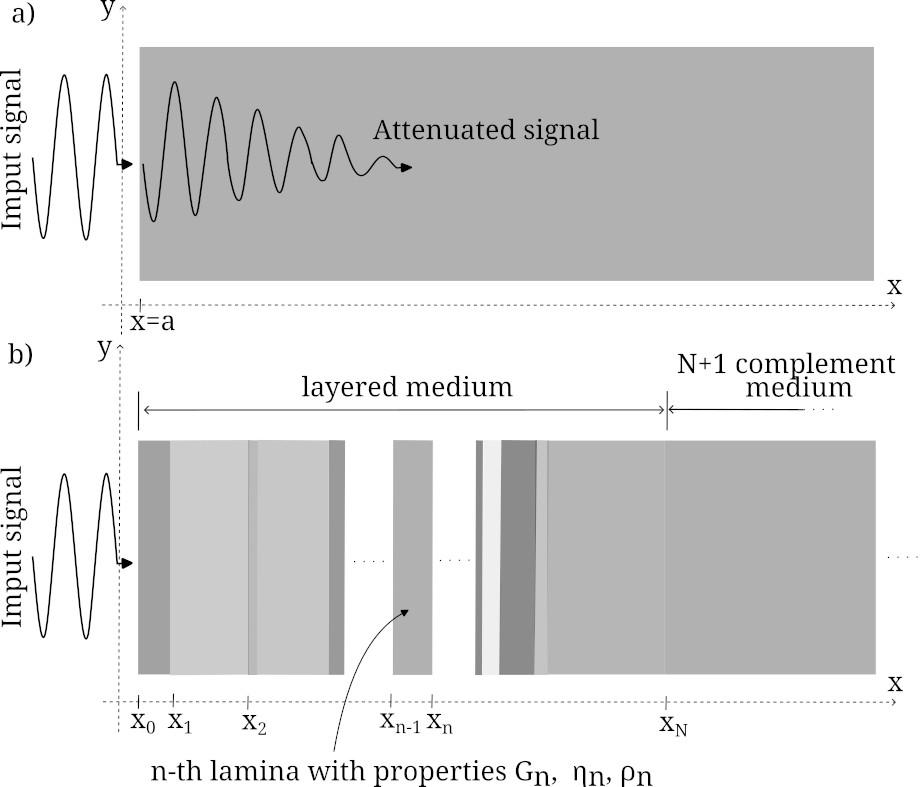
    Shear wave propagation in a layered medium made of Voigt viscoelastic layers is studied. It is argued that is it possible to obtain closed-form analytical approximate expressions for the effective dynamical parameters of the layered medium in the high-frequency regime. The multiple scales method is applied to obtain the frequency-dependent effective dynamical parameters. Lower order analytical solution approximations for harmonic steady-state was obtained. Numerical comparison against precise numerical solutions via the tranfer matrix method were carried out. This could contribute to the model design of tissue-like phantom materials for ultrasound devices calibration as well as in the processing of signals from shear wave elastography.

    ⬇️ Scroll down to see the full summary
    DOI: https://doi.org/10.31349/RevMexFis.72.051101
  • A method for analyzing physiological data with multiple non-independent observations

    Erin C. McKiernan, Jorge Humberto Arce Rincón, Araceli Torres Pérez, Marco A. Herrera Valdez
    1-8
    Abstract:

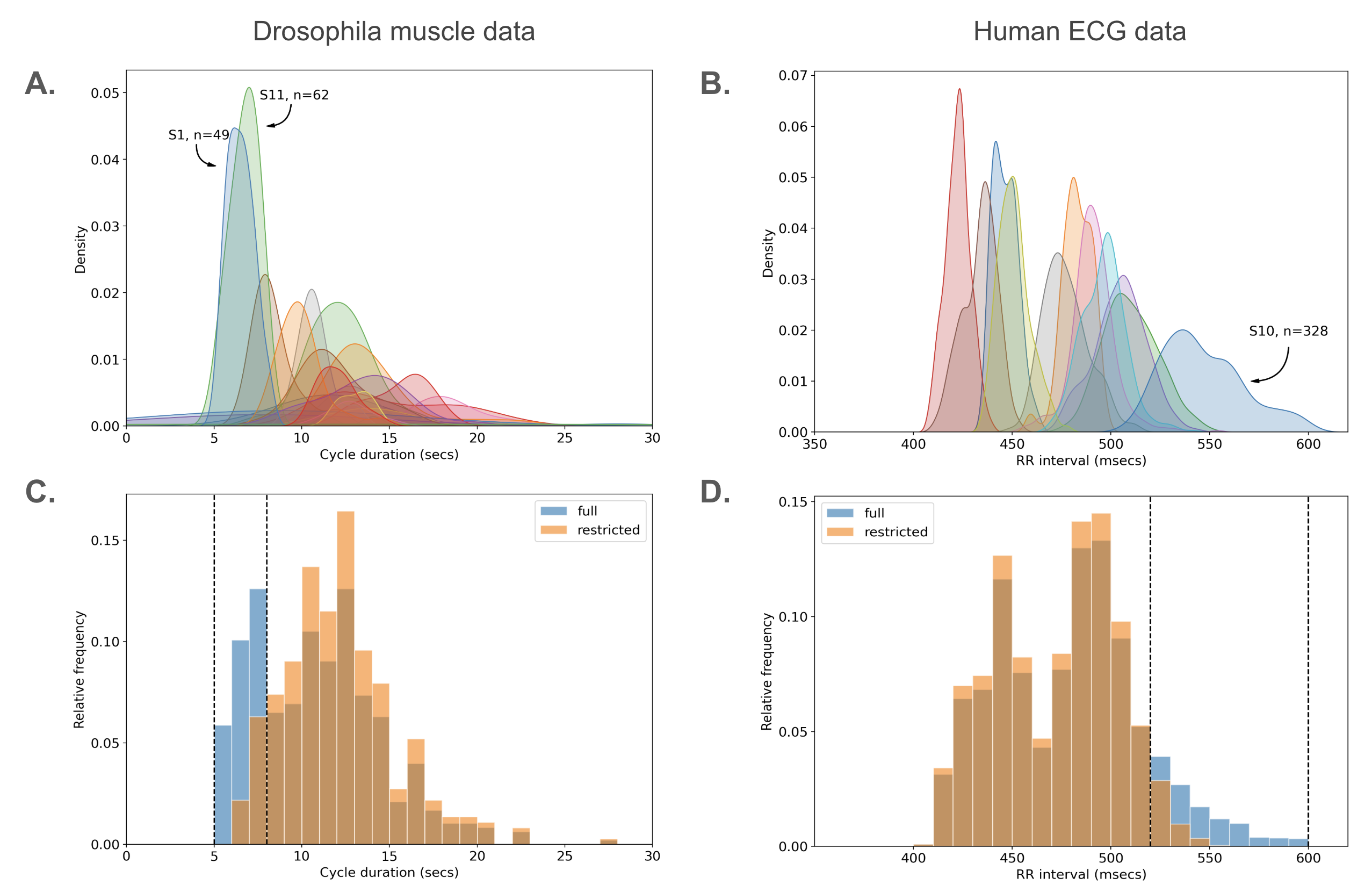
    Physiological studies often involve recording multiple observations (e.g., repeated muscle contractions or cardiac cycles) from the same subject. To compare groups of subjects, observations from one subject are then sometimes pooled with observations from other subjects in the same group, and analyses are performed on these pooled data. This approach presents a number of potential problems, including over- or under-representing certain subjects in the sample and non-independence of measurements. There are statistical methods available to deal with repeated measures, but many make assumptions about the distribution and completeness of data. Instead, we developed a method to deal with multiple observations from physiological data that ensures that each subject is represented only once in the analysis (i.e. it avoids pseudoreplication), and makes no assumptions about the distribution of the data. We demonstrate this method using two different physiological datasets: (1) muscle recordings taken from Drosophila melanogaster larvae during fictive crawling, and (2) electrocardiogram recordings taken from human volunteers before, during, and after exercise. Our results show the broad applicability and validity of this method.

    ⬇️ Scroll down to see the full summary
    DOI: https://doi.org/10.31349/RevMexFis.72.051102

Nuclear Physics

  • Reusing of waste glass addition with industrial wastes and tungsten as new radiation shields: Spectroscopic and computational analysis

    Z. Aygun, M. Aygun
    1-9
    Abstract:

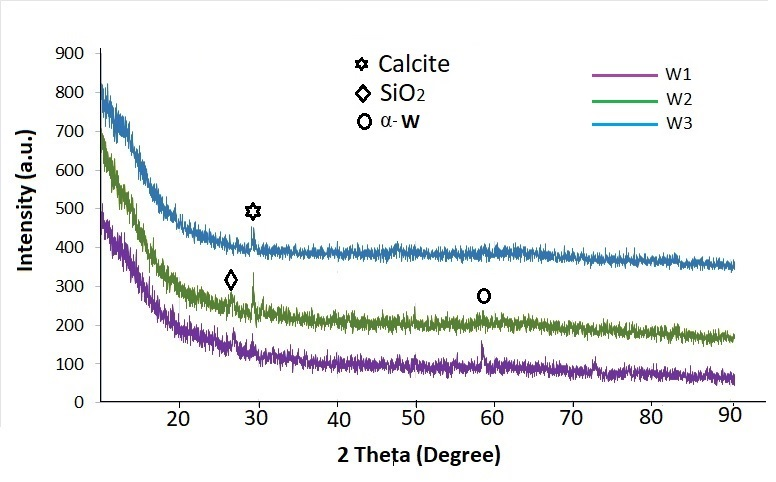
    The economic and environmental problems regarding of wastes encourage the researchers to reuse the wastes and produce new materials. Waste glass is a kind of industrial waste and attracts attention among the wastes. The goal for performing the study is to evaluate waste glasses obtained by our daily routines and to determine radiation shielding abilities of the materials based on other industrial wastes. With this purpose, three samples including both waste glass and industrial wastes (Bayburt stone dust and Oltu stone dust) were produced by mixing in different ratios. Also, tungsten was added to the samples in order to improve the protection ability. The Phy-X/PSD code was used to determine the radiation protection parameters. In addition to the shielding investigation, structural properties were provided based on EPR, XRD, and SEM-EDS spectroscopic techniques. It is obtained that the shielding performance of the sample including Bayburt stone dust and marble waste with tungsten addition is the highest. The least one is achieved for the sample including Oltu stone dust and marble dust with tungsten addition. Neutron shielding capabilities are also found same as photon shielding. It can be concluded that the newly prepared samples consisting of waste glass in order to support reusing and recycling have good protective features and the usage of the samples can be recommended.

    ⬇️ Scroll down to see the full summary
    DOI: https://doi.org/10.31349/RevMexFis.72.051201

Optics

  • Fractional scale transform and fractional Mellin transform for scale, rotation, and translation invariant pattern recognition to discriminate between 30 phytoplankton species

    E. Garza-Flores, J. Álvarez-Borrego
    1-9
    Abstract:

    The fractional scale transform is introduced and studied to develop a new pattern recognition system invariant to scale, translation, and rotation. This system was also implemented with the fractional Mellin transform, and the results were compared with those obtained with the fractional scale transform. The analysis was performed to classify 30 phytoplankton species. For both transformations, optimal orders were found for each species. This study implemented nonlinear correlation and adaptive nonlinear correlation for the classification stage. The system achieved a mean accuracy of 0.998 with nonlinear correlation and 0.999 with adaptive nonlinear correlation.

    ⬇️ Scroll down to see the full summary
    DOI: https://doi.org/10.31349/RevMexFis.72.051301

Instrumentation

  • Experimental observation of frequency of oscillation, amplitude and temporal symmetry of a Clapp oscillator incorporating a physical memristor

    T. A. Jimenez Castillo, L. M. Lopez Jimenez, E. Tlelo-Cuautle, A. Diaz Sanchez
    1-7
    Abstract:

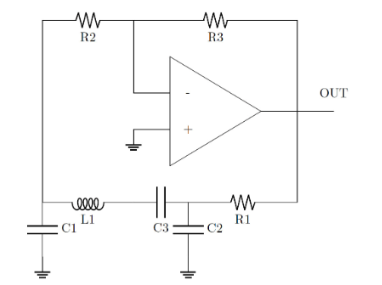
    The Clapp oscillator consists of one voltage amplifier, one inductor, three capacitors, and three resistors. The proposed work analyses the Clapp oscillator when two resistors are replaced by a commercially available physical memristor, e.g. the Knowm memristor, and a third case when the polarity of the memristor is inverted. In this manner, three cases are analyzed and compared with the responses of the Clapp oscillator without a memristive element. The responses of the experiments show how the position and polarity of the Knowm memristor influence the steady-state behavior of the LC resonant oscillator. The results show that the three cases, using the Knowm memristor, produce measurable changes in frequency of oscillation, amplitude, and temporal symmetry of the output waveform, whereas reversing the memristor polarity, reverses both frequency and temporal asymmetry trends. As a conclusion, the observed behaviors indicate that the memristor acts as a dynamic and history-dependent element, i.e. it modifies the oscillation conditions of the Clapp oscillator beyond the effects of a static resistive component. These findings establish that the Clapp oscillator topology, is a suitable experimental platform for studying memristive effects in LC resonant systems. The results provide insights into the role of memristive devices position and polarity in shaping oscillatory dynamics.

    ⬇️ Scroll down to see the full summary
    DOI: https://doi.org/10.31349/RevMexFis.72.050901

Solid State Physics

  • Elastic, optical and thermodynamic properties of the double perovskites Ba$_2$DySbO$_6$: Applications in spintronic devices.

    A. Touia, S. Ilhem Messaoudi
    1-10
    Abstract:

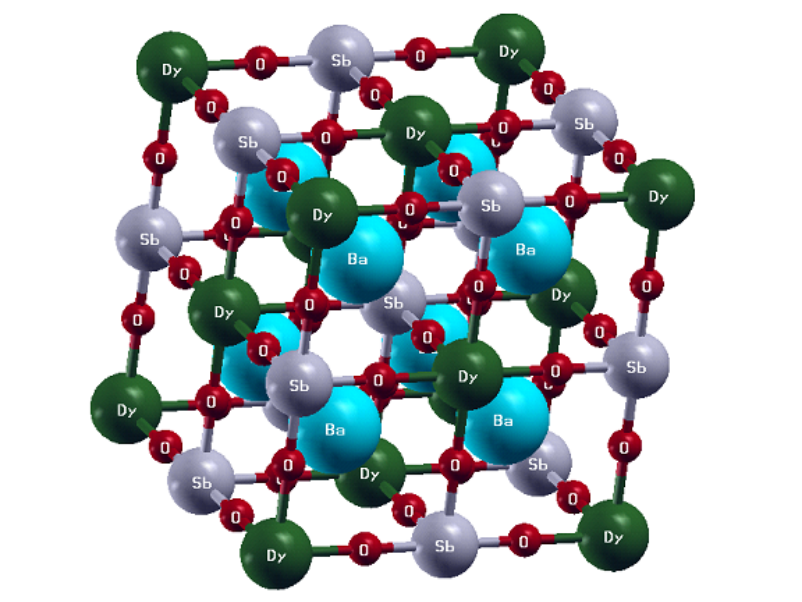
    In this research, we employed an ab initio calculation approach based on the full-potential linearized augmented plane wave (FP-LAPW) method within the framework of density functional theory (DFT), integrated into the WIEN2k code. By examining in detail the structural, elastic, electronic, magnetic, optical, and thermodynamic characteristics of the double perovskite compound Ba$_2$DySbO$_6$. Firstly, our study focused primarily on magnetic stability. The results presented in this work are in good agreement with the available experimental and theoretical data. Subsequently, we studied the electronic properties in which we calculated the band structure and the density of states. Regarding the magnetic properties of the compound Ba$_2$DySbO$_6$, it was found that the total magnetic moment is mainly due to the magnetic moment of the lanthanide atom. The optical properties, such as the real and imaginary parts of the dielectric function, the refractive index, the extinction coefficient, the reflectivity, the optical conductivity, and the absorption coefficient of the Ba$_2$DySbO$_6$ compound, were calculated for all photon energies. The thermodynamic study of our compound has shown that it is stable at high temperatures. The predictive calculations of the thermal properties of our compound show that it follows the same behavior with temperature variation.

    ⬇️ Scroll down to see the full summary
    DOI: https://doi.org/10.31349/RevMexFis.72.051601
  • Long-term reliability analysis of bipolar stress in SiC power MOSFETs

    Y. Hernández Barrios
    1-7
    Abstract:

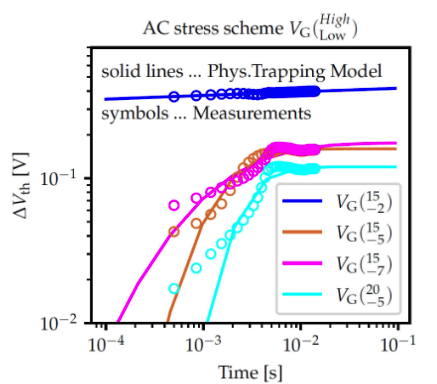
    This paper examines the reliability of SiC DMOS power transistors in a DC-DC boost converter circuit. This reliability analysis focuses on the impact of bias temperature instabilities (BTI) on the electrical performance of the transistor, taking into account the variation of one of the most critical parameters of a SiC power MOSFET: the on-resistance (Ron). The study presented in this work also provides an insight into the importance of using an accurate physical reliability model to estimate the transistor’s real threshold voltage drift for a long operating time. We demonstrate that SiC DMOS technology exhibits a higher threshold voltage (Vth) and Ron stability when operated in a bipolar mode. As a result, data derived from measure-stress-measure (MSM) sequences are used to calibrate the defect parameters of a two-state non-radiative multi-phonon model (NMP) that captures the charge trapping kinetics of oxide and interface defects in a reliability simulation framework, Comphy. The analysis shows that an extrapolation of device deterioration at operating conditionssettings reduces bias temperature instabilities (BTI), leading to a minimal on-state loss degradation.

    ⬇️ Scroll down to see the full summary
    DOI: https://doi.org/10.31349/RevMexFis.72.051602