



Vol. 72 No. 6 (2026): Revista Mexicana de Física

					View Vol. 72 No. 6 (2026): Revista Mexicana de Física

Featured Article:

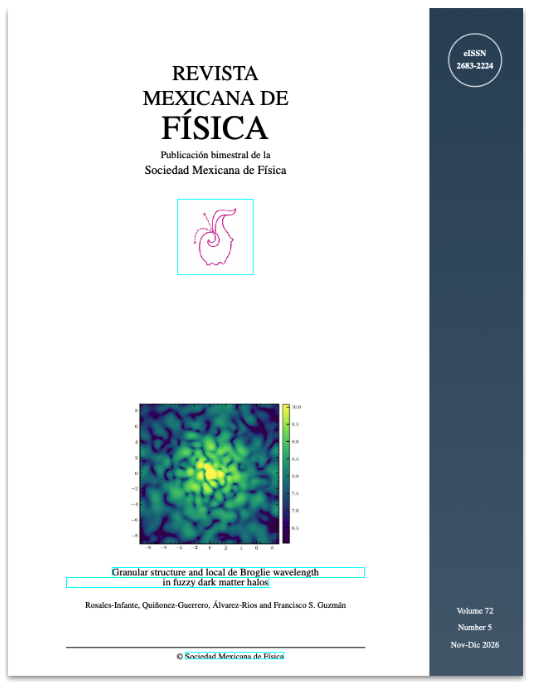
Granular structure and local de Broglie wavelength in fuzzy dark matter halos

Rosales-Infante, Quiñonez-Guerrero, Álvarez-Rios and Francisco S. Guzmán

REVISTA MEXICANA DE FÍSICA, year 72, issue 6, Nov-Dec 2026.
Bimonthly Journal published by Sociedad Mexicana de Física, A. C.
eISSN: 2683-2224

Chief Editor: Ramón Castañeda-Priego 

Editorial Board | Journal Managers: Edgar Iván Preciado Govea •  Fidencio Pérez Hernández  | Technical Staff: Julio César Pérez Pedraza • Juan Domingo García Muñoz • Efraín R. Garrido Román | Secretary: María Magdalena López Reynoso

Published: 2026-11-01

Atomic and Molecular Physics

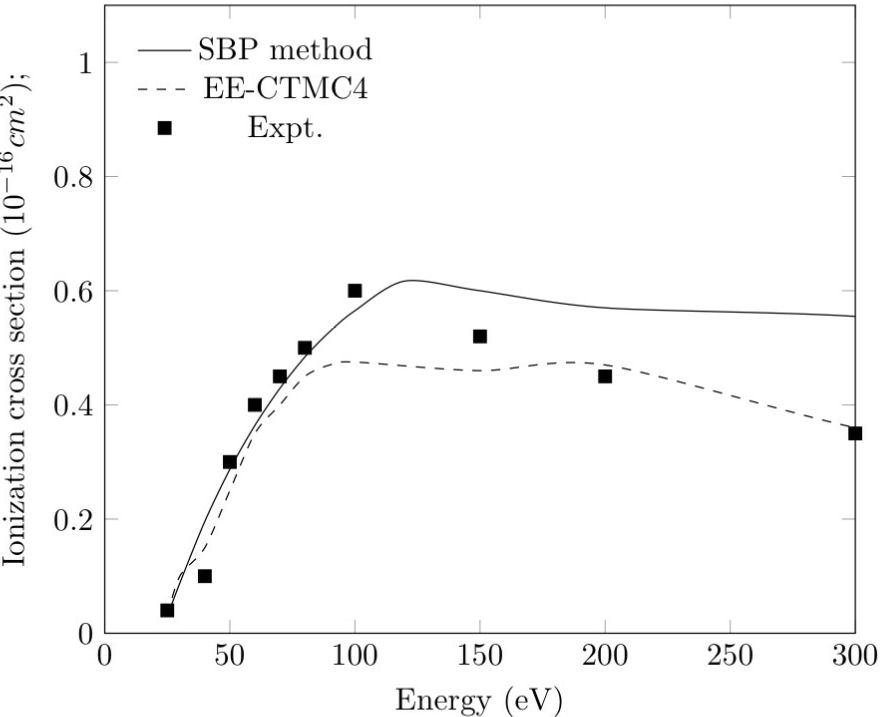
  • Ionization of atoms by positron impact: Applcations of the Scaled Born Method

    Jorge L. S. Lino
    1-4
    Abstract:

    Positron emission tomography (PET) scans can be used to investigate the pathogenesis of neurological disorders and diseases such as Alzheimer’s and Parkinson’s. PET scans use positrons to resolve an image of the internal biochemical process occurring inside the body, i.e., ionization cross sections. Knowledge of ionization cross sections for atoms is evidently crucial in PET technology. We will discuss some recent developments of the scaled Born positron (SBP) method for ionization of atoms. The SBP method was originally proposed for electronic excitations of atoms (J.L.S. Lino, Chin.J .Phys.54 (2016)504). First Born approximation (FBA) and the atomic orbital wavefunctions have been approximated by Roothaan-Hartree-Fock, and the scattered positron and ejected electron have been approximated by a plane wave and Coulomb wave as proposed by Barlett etal. (Atomic Data Tables 86 (2004) 235). It is shown that the SBP method combined with an analytical factor results in a efficient method when compared with the sophisticated and traditional binary-encounter-dipole (BED) model. Results of ionization cross sections of H, He, Ne, and C atoms using the new representation are presented to illustrate the applicability of the improved SBP method.

    ⬇️ Scroll down to see the full summary
    DOI: https://doi.org/10.31349/RevMexFis.72.060401

Condensed Matter

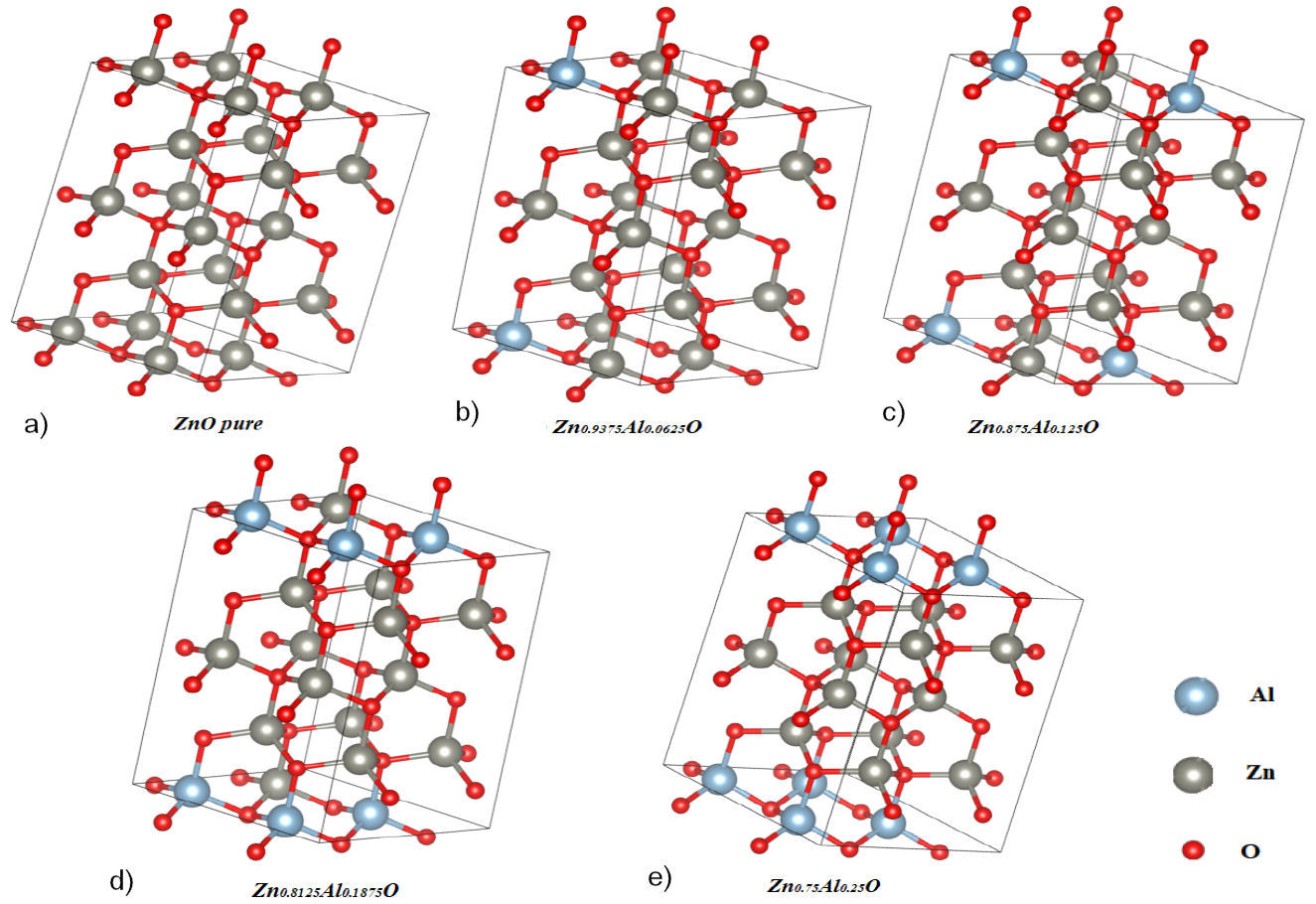
  • A DFT+U theoretical study of the effect of aluminum quantities on the structural, electronic, elastic and optic properties of Zinc oxide compound

    Sofiane Haireche, Mohamed Elbaa, Mohamed Habireche, Mohamed Bouchenafa
    1-15
    Abstract:

    This work presents a comprehensive ab initio investigation of the structural, electronic, elastic, and optical properties of aluminum doped zinc oxide (Zn1-xAlxO) using the DFT+U framework. A realistic 2×2×2 supercell model is employed to simulate substitutional doping at various Al concentrations (up to 25%). The results reveal a systematic reduction in band gap energy, reaching 2.216 eV at the highest doping level, which reflects enhanced electrical conductivity. Density of states analysis highlights the emergence of Al-3p states near the conduction band, contributing to donor-like behavior and supporting n-type conductivity. The elastic properties show a progressive decrease in stiffness and an increase in anisotropy with Al content, indicating mechanical softening of the ZnO matrix. Optically, the doped systems exhibit improved transparency, a blue shift in the absorption edge, and modulation of the dielectric response, consistent with the Burstein Moss effect. These findings suggest that Al doping significantly tailors the multifunctional behavior of ZnO, making it a promising candidate for transparent conducting electrodes, optoelectronic components, and sensor technologies. The theoretical insights presented herein provide useful guidelines for experimental optimization of Al doped ZnO-based materials.

    ⬇️ Scroll down to see the full summary
    DOI: https://doi.org/10.31349/RevMexFis.72.060501

Gravitation, Mathematical Physics and Field Theory

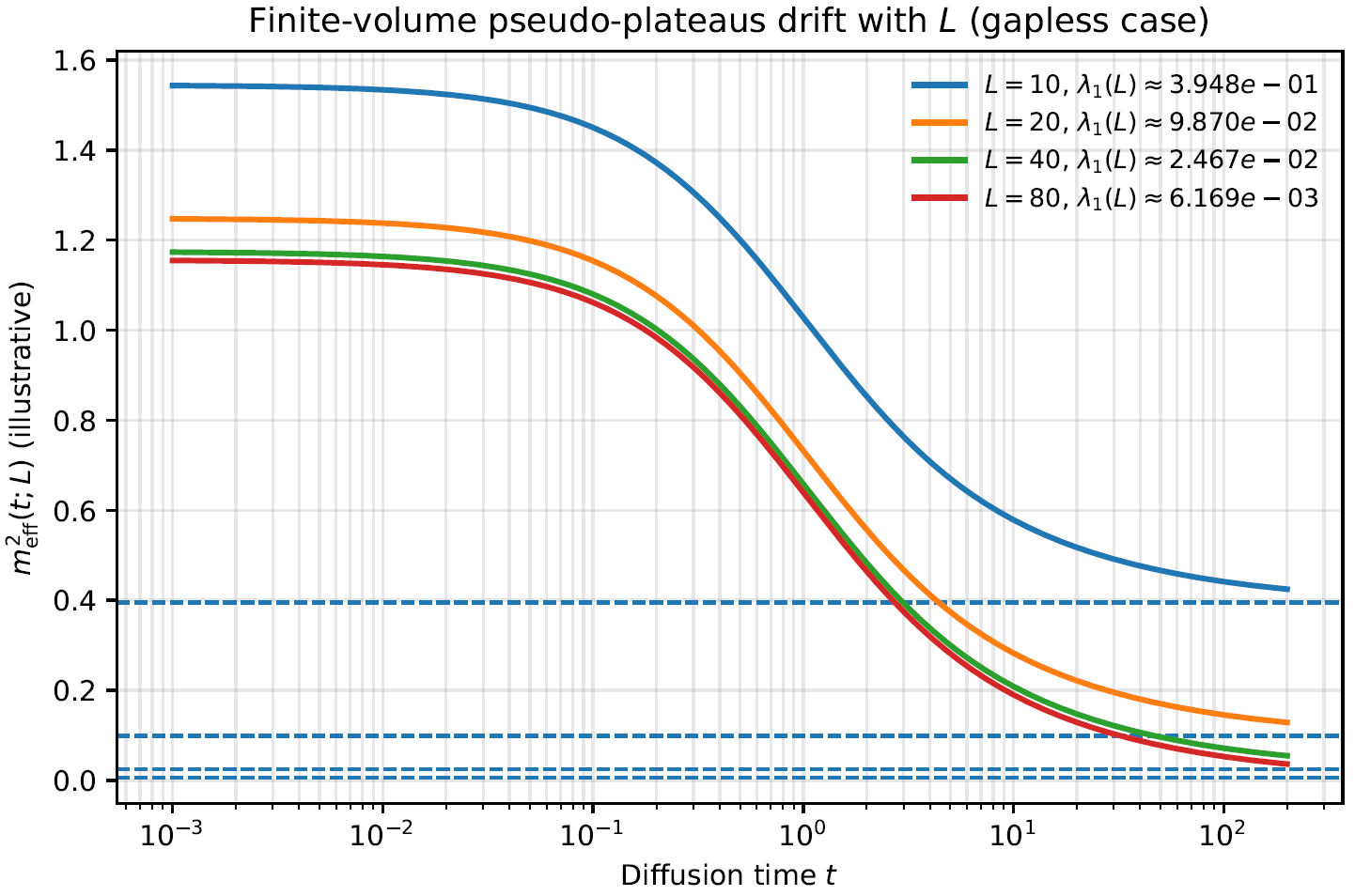
  • A gauge-invariant spectral scale from covariant diffusion in d-dimensional Yang-Mills backgrounds

    Ángel Escamilla-Aké
    1-7
    Abstract:

    We introduce a simple gauge-invariant spectral diagnostic for Euclidean Yang--Mills backgrounds based on covariant diffusion. Using the gauge-covariant Laplacian $\Delta_A$, we consider heat-kernel trace observables built from the semigroup $e^{-t\Delta_A}$ and address the infinite-volume divergence through two complementary normalizations: a trace per unit volume in a finite domain followed by the thermodynamic limit, and a relative trace with respect to the trivial background $A=0$ that cancels the leading volume contribution. From these trace observables we define an effective spectral scale via a logarithmic derivative in diffusion time, yielding a mass-like parameter that characterizes the large-$t$ decay of covariant diffusion when the limit exists. In parallel, we outline a diffusion-based spectral-dimension diagnostic and discuss basic invariance and positivity properties of the construction. The framework is formulated in general dimension $d$ and is intended as a clean, continuum starting point for connecting gauge-invariant long-time diffusion behaviour with spectral information of the covariant operator, without discretization or lattice input.

    ⬇️ Scroll down to see the full summary
    DOI: https://doi.org/10.31349/RevMexFis.72.060701
  • Dimensional consistency of derivatives with non-singular kernels

    J. J. Rosales García, F. A. Godínez Rojano, L. A. Ramírez Garza, F. Hernández Cabrera
    1-8
    Abstract:

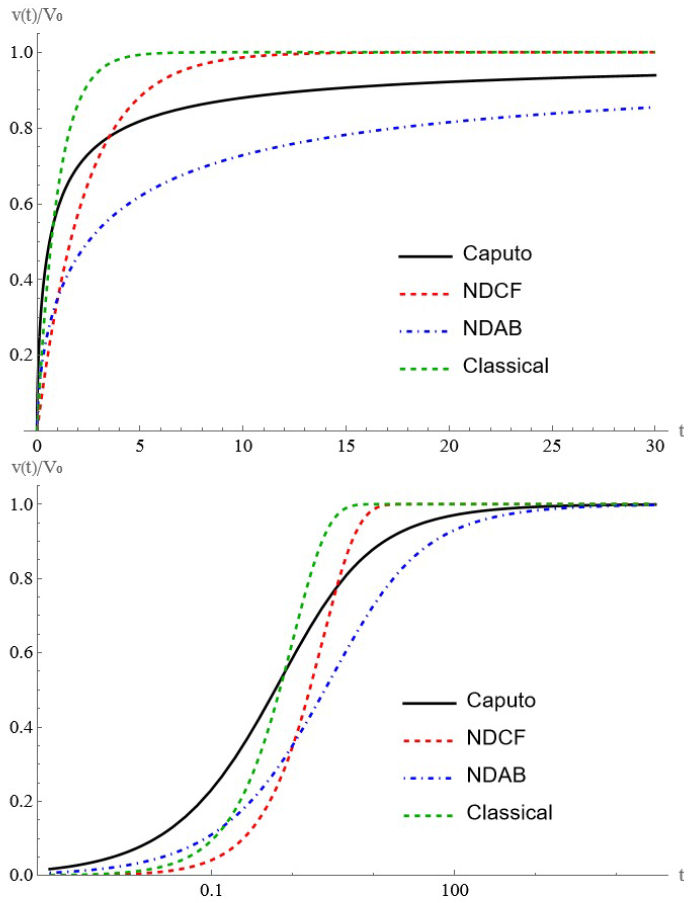
    The Caputo-Fabrizio (CF) and Atangana-Baleanu (AB) derivatives were proposed as alternatives to the usual Caputo and Riemann-Liouville fractional derivatives. An advantage of CF and AB derivatives is that they are defined in terms of non-singular kernels, such as the exponential function and the Mittag-Leffler function, respectively. However, the use and application of fractional derivatives with non-singular kernels has resulted in many models in terms of fractional differential equations that do not comply with the principle of dimensional homogeneity and therefore their solutions are not entirely satisfactory. In this work, we propose New Derivatives of the Caputo-Fabrizio (NDCF) and Atangana-Baleanu (NDAB) types, derive their Laplace transforms and apply them to the solution of an RC circuit as an illustrative example. Furthermore, we confirm that the price to pay for attempting to avoid the singularity of the Caputo derivative is that the initial condition is not satisfied for kernels without singularities. The initial condition depends on the order of the fractional derivative γ and only reduces to the initial condition when γ = 1. To provide a more realistic response, a shift in the dynamic variable was introduced, yielding physical solutions consistent with the dimensionality, the initial condition, and the steady state.

    ⬇️ Scroll down to see the full summary
    DOI: https://doi.org/10.31349/RevMexFis.72.060702
  • Granular structure and local de Broglie wavelength in fuzzy dark matter halos

    Flavio Rosales-Infante, Alejandro Quiñonez-Guerrero, Iván Álvarez-Rios, Francisco S. Guzmán
    1-8
    Abstract:

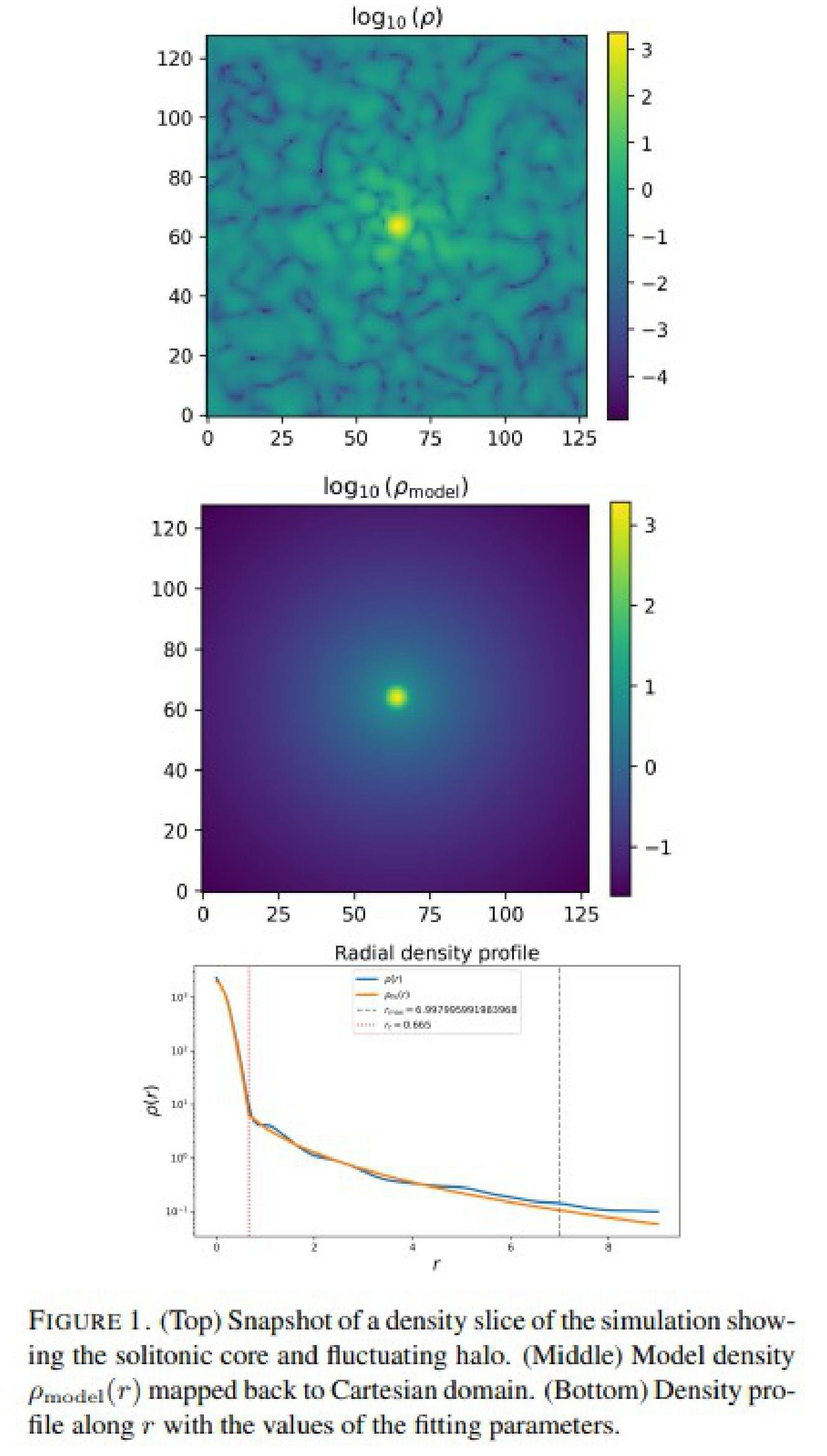
    We study the granular structure that emerges in a Fuzzy Dark Matter (FDM) halo formed through kinetic relaxation. After the system reaches a virialized core-halo structure, we separate the density field into a smooth spherical component and a residual density that contains the interference pattern characteristic of FDM halos. The power spectrum of this residual field shows a well defined dominant scale, different from the characteristic scale of the total density and of the smooth core-halo model. We compare this granular scale with a local de Broglie wave-lenght calculated from the velocity field obtained from the density current of the system. We find that both scales remain of the same order of magnitude, with the granular scale systematically smaller than the de Broglie wavelength. The radial behavior of the de Broglie wavelength also reveals a non-uniform internal structure, it decreases from the core and reaches its minimum near the transition between the solitonic core and the outer halo. These results provide a quantitative connection between density fluctuations, the local velocity field, and the core-halo morphology of FDM halos.

    ⬇️ Scroll down to see the full summary
    DOI: https://doi.org/10.31349/RevMexFis.72.060703

Material Sciences

  • A hybrid thiophene-oxadiazole compound as a potent copper corrosion inhibitor: An integrated SEM, RSM, and DFT investigation

    T. Attar, F. Chellali, Y. Datoussaid, M. Houbad, A. Benchadli, I. Daoud, J. A. Seijas, M. P. Vázquez-Tato, E. Ilhan, O. Gunduz
    1-14
    Abstract:

    Corrosion of copper in sulfuric acid environments poses persistent challenges across numerous industrial applications, necessitating the development of effective and mechanistically well-understood inhibitors. This work presents a comprehensive evaluation of 5-(5-(4-nitrophenyl) thiophen-2-yl)-1,3,4-oxadiazole-2(3H)-thione (NPT-OxT) as a corrosion inhibitor for copper immersed in 0.5 M H2SO4, employing an integrated experimental-computational methodology. Gravimetric measurements, optimized through Response Surface Methodology, yielded exceptional model reliability (R2 = 0.999) and revealed a maximum protection efficiency of 97% under optimized conditions. Thermodynamic analysis of the adsorption process disclosed a dual physisorption-chemisorption character, with Gibbs free energy values between −39.64 and −40.48 kJ · mol−1 , indicative of thermodynamically favorable and robust interfacial binding. Activation energy data further substantiated inhibitor efficacy, rising from 7.36 kJ · mol−1 in uninhibited solution to 40.38 kJ · mol−1 upon NPT-OxT addition, reflecting the formation of a stable protective barrier. Surface morphological examination via SEM confirmed a marked transition from extensive corrosion damage to a uniform, compact film in inhibitor-containing media, while EDX profiling evidenced suppressed oxidation and sulfur incorporation alongside a dominant copper signal. Quantum chemical calculations using DFT revealed a HOMO-LUMO energy gap of 3.084 eV, a negative electron-transfer parameter (∆N = −0.139), and an electrophilicity index of 7.659 eV, collectively affirming strong electron-donation capacity and favorable adsorption onto copper. These findings establish NPT-OxT as a highly efficient corrosion inhibitor with clear industrial applicability in aggressive acidic conditions.

    ⬇️ Scroll down to see the full summary
    DOI: https://doi.org/10.31349/RevMexFis.72.061001
  • Structural, electronic, magnetic, and optical properties of CuMnInSe3 chalcogenide compound

    Walid Menasri, Sabah Fetah, Saadia Didaoui, Abdelkader Djerad
    1-7
    Abstract:

    Using density functional theory in conjunction with the FP-LAPW method under the generalized gradient approximation, specifically employing the Perdew 2008 functional GGA-PBEsol, spin-polarized density functional theory computations were conducted to investigate the structural, electronic, and magnetic properties of the quaternary chalcogenide CuMnInSe3 crystal. Both experimental findings and the calculated equilibrium structural parameters exhibit strong concordance. Through an analysis of the spin-polarized band structures and density of states, the half-metallic nature of the studied compound was predicted, characterized by a total magnetic moment of 6 µB per unit cell and an energy gap of 0.644 eV. Furthermore, it was observed that the electronic structure is more accurately represented when incorporating the electronic exchange-correlation via the Tran–Blaha modified Becke–Johnson (TB-mBJ) potential, which was employed to precisely compute the band gap of the compound, resulting in an indirect band gap (X–Γ) of 1.546 eV. Optical properties were predicted by analyzing the spectra of the real and imaginary components of the permittivity, the reflectivity function, and the absorption coefficient. These calculations suggest that this material has potential as an effective ultraviolet sensor.

    ⬇️ Scroll down to see the full summary
    DOI: https://doi.org/10.31349/RevMexFis.72.061002
  • Studying the properties of prepared kaolin/epoxy nanocomposites for flame retardancy

    Saif Khalel Jasim, Mohamad T. Abd, Imad N. Kashkool
    1-6
    Abstract:

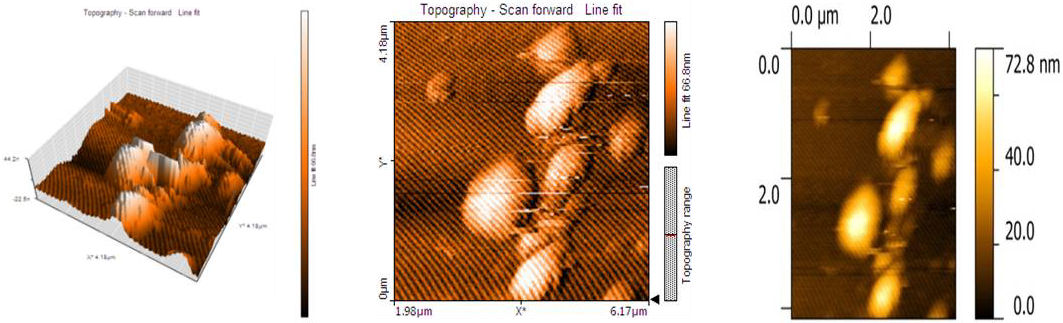
    Numerous everyday goods, including fabrics, electrical appliances, vehicles, and airplanes, are currently undergoing extensive testing and inspection for their flammability features. By lowering the total fire risk associated with the use of highly flammable raw materials in goods such as textiles, apparel, composites, and plastics, flame retardants perform a critical protective role in preserving lives and property. In this study, kaolin and epoxy were used to prepare a nanocomposite flame retardant. The used kaolin was tested by X-ray diffraction and (AFM) tests. The results showed that the powders possess multi-phases and also have a mean grain size of (38 nm) and root mean square (RMS) of (12.25). Also, the energy dispersive (XRD) spectroscopy analysis (EDX) showed that the presence of the essential elements of these powders was accurate and clear. The nanocomposites were prepared by mixing the kaolin nanopowder with the epoxy resin by weight percentages of (2, 4, 6, 8 and 10%). To determine the efficiency of these additives in flame retardant and to increase the combustion resistance of epoxy resin, different methods of measurement were used according to ASTM; average time of burning, average extent of burning, rate of burning, limiting oxygen index, maximum flame height and residue percentage succeeding combustion. Based flame retardant is commercially successful and they are more environmentally friendly as compared to halogenated and non-halogenated inorganic or organic types and they are being applied suitably with a cross-inker and/or binder copolymer that makes the FRs more resistant to common weathering conditions and exposures. They also produce less or no obnoxious gases while burning.

    ⬇️ Scroll down to see the full summary
    DOI: https://doi.org/10.31349/RevMexFis.72.061003
  • The pH effect on PEDOT: PSS/GO as a potential hole transport layer

    M. D. Nurhafizah, Tan You Zi, B. Afzalina
    1-10
    Abstract:

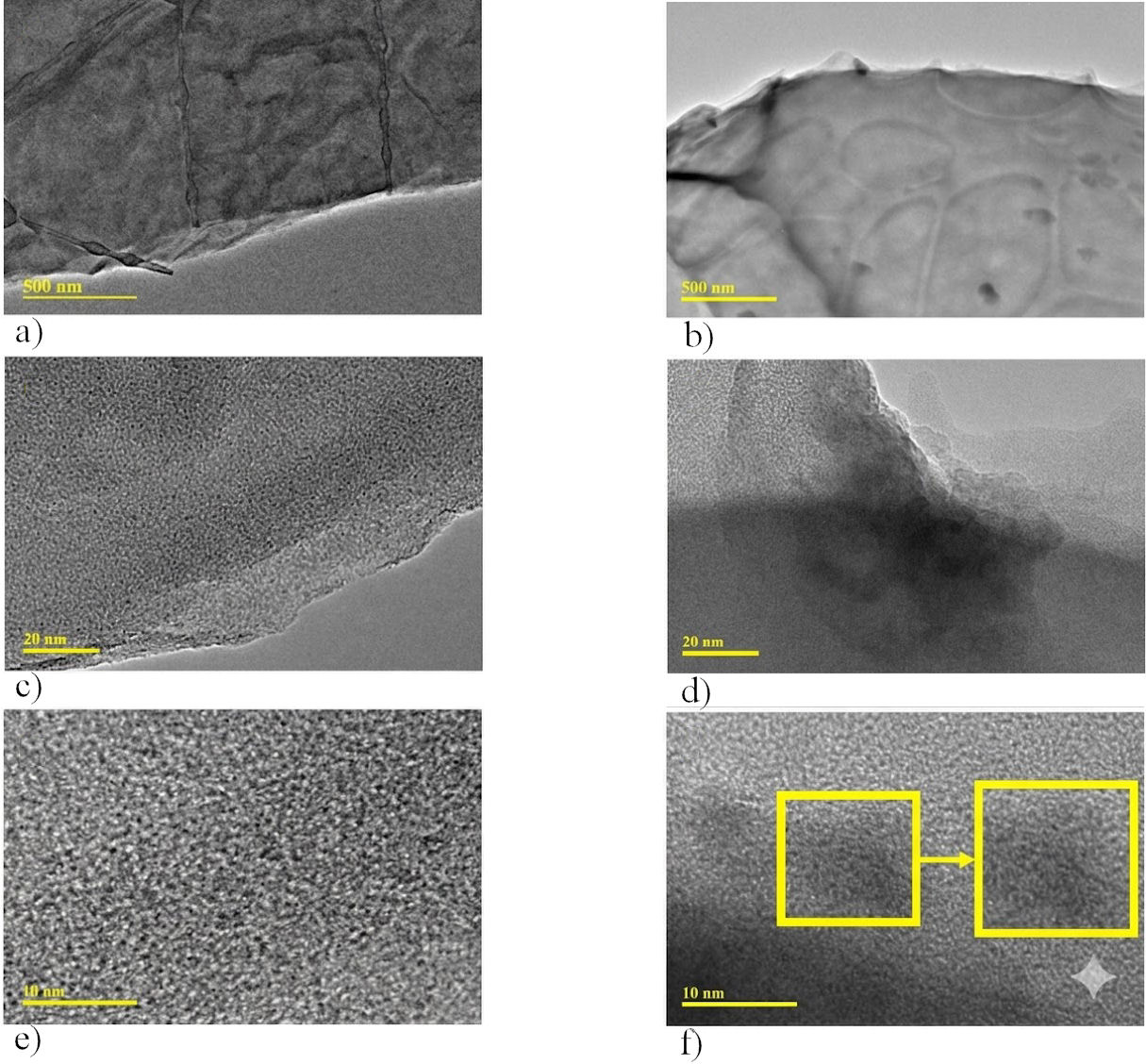
    Poly(3,4-ethylenedioxythiophene)-polystyrenesulfonate (PEDOT: PSS) with secondary doping has been widely researched as a hole transport layer in solar cells because secondary doping can provide conformational change and improve the properties of PEDOT: PSS. PEDOT: PSS is doped with graphene oxide (GO) to form PEDOT: PSS/GO solution, and then, sodium hydroxide is added into the acidic PEDOT: PSS/GO solution. The novelty of this work relies on the pH effect of PEDOT: PSS/GO, which shows basic condition allows better dispersity of GO in water. The HRTEM result indicates the formation of PEDOT: GO. Besides, the two-point probe results show that both acidic and basic PEDOT: PSS/GO is more conductive than PEDOT: PSS and GO alone. This was due to the transformation of benzoid structure to quinoid structure which has been supported by the lower d-spacings of acidic PEDOT: PSS/GO (3.48 Å) and basic PEDOT: PSS/GO (3.44 Å) compared to PEDOT: PSS (3.56 Å) in the XRD result. Other than that, the UV-Vis absorbance result shows that the PSS chain absorbance peak in basic PEDOT: PSS/GO is around 13% lower than that in acidic PEDOT: GO, indicating better replacement of insulating PSS chain and more successful formation of PEDOT: GO. In the EDX results, the basic PEDOT: PSS/GO shows higher oxygen content (93.34%) than acidic PEDOT: PSS/GO (44.58%) due to the increase of hydroxyl groups of GO in basic conditions caused by NaOH. Besides, the average resistance values of the basic PEDOT: PSS/GO and acidic PEDOT: PSS/GO layers are 3.72E+10 Ω and 1.30E+10 Ω, respectively. The Na+ ion in NaOH resulted in the damages of unreacted PEDOT: PSS, making the basic PEDOT: PSS/GO sample more electrically resistant than the acidic PEDOT: PSS/GO sample. Despite some of the adverse effects of basic PEDOT: GO, it shows the lowest surface roughness (Rq: 2.52 nm) among all potential HTLs investigated, indicating the best deposition on glass and wettability for organic semiconductors (OSCs) which can be applied as a counter electrode in dye-sensitized solar cell (DSSC) application.

    ⬇️ Scroll down to see the full summary
    DOI: https://doi.org/10.31349/RevMexFis.72.061004
  • Structural, morphological, optical and electrical properties of Al-doped ZnO thin films prepared by Sol-Gel spin coating

    Aneely Carrero, Patricia Perillo, Daniel Rodriguez, Marcela Barrera
    1-6
    Abstract:

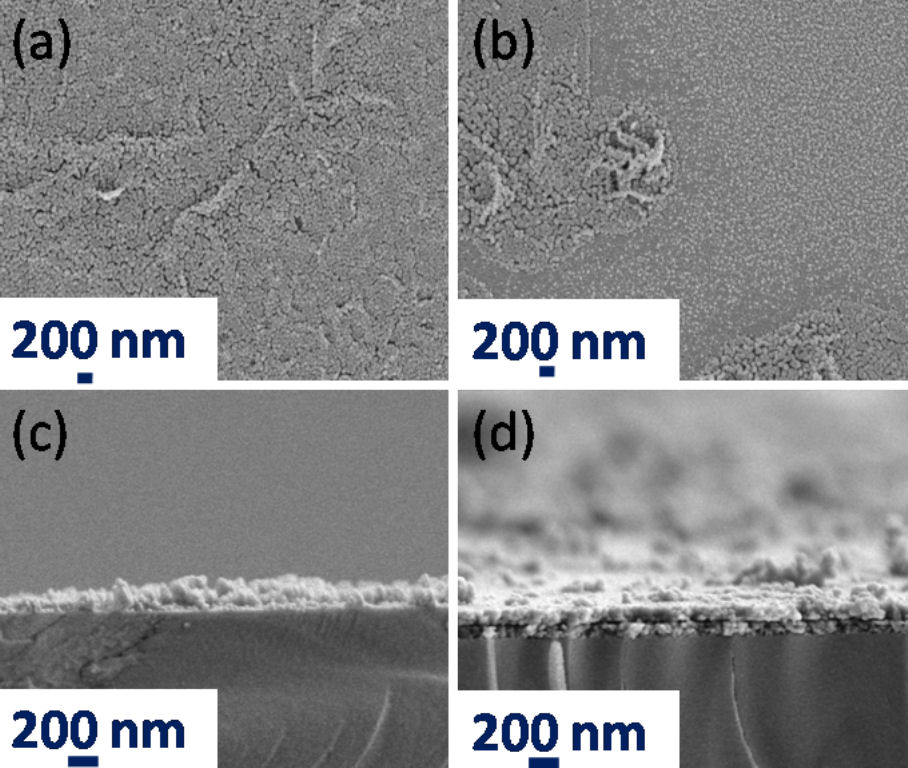
    Undoped and aluminum-doped ZnO (AZO) thin films were prepared by the sol-gel method using spin coating. The films exhibited the characteristic wurtzite crystal structure of ZnO with a preferential orientation along the c-axis. Surface and cross-sectional morphologies were analyzed by scanning electron microscopy (SEM), revealing noticeable differences between the doped and undoped films. The optical transmittance was approximately 77% in the 450-750 nm range. Electrical resistivity decreased from 1.9×10⁵ Ω·cm (ZnO) to 1.0×10² Ω·cm (AZO). These results suggest that low-level Al doping enhances the electrical properties while preserving good optical transparency in AZO thin films. Furthermore, the results highlight the correlation between structural, optical, and electrical properties in ZnO and AZO thin films.

    ⬇️ Scroll down to see the full summary
    DOI: https://doi.org/10.31349/RevMexFis.72.061005
  • Investigation of impact of calcination temperature on the structural, microstructural, and functional properties of MgO nanoparticles using Williamson Hall method

    Malik Sajjad Mehmood, A. Tanveer, M. M. Haseeb Awan, M. Ahmad
    1-13
    Abstract:

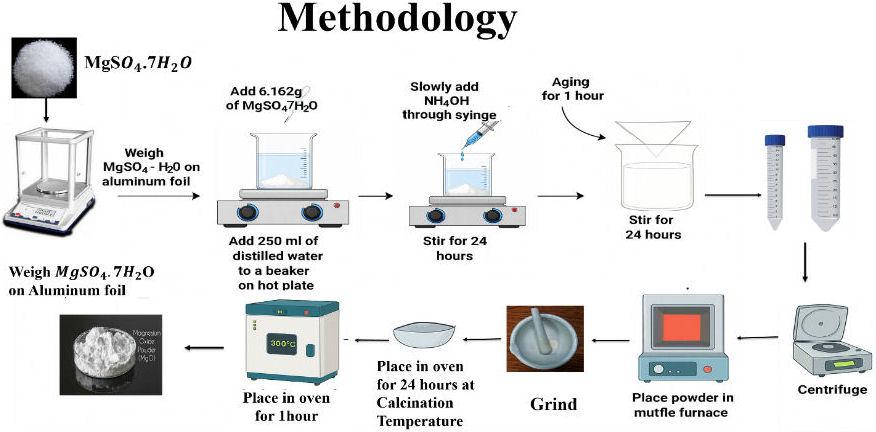
    Magnesium oxide (MgO) nanoparticles were synthesized using a co-precipitation method and then calcined at 450o C, 650o C, and 700o C to study the effects of different calcination temperatures on the structure and microstructure. The phase composition of the synthesized samples was studied using X-ray diffraction (XRD), which showed that all samples were composed of single-phase cubic MgO, and no secondary phases were detected. The Williamson-Hall (W–H) analysis using Lorentzian and Gaussian peak-profile functions was employed to investigate the effects of calcination temperature on the crystallite size and lattice microstrain. The results demonstrated that the calcination temperature significantly affected the MgO nanoparticles. With increasing temperature, the microstrain decreased, the crystallite size increased, and the thermal stability and ordering of the lattice improved. The study also revealed that increasing the calcination temperature led to a significant increase in the unit-cell volume and lattice ordering. When comparing the Lorentzian and Gaussian profiles, it was observed that both profiles produced very similar effects on the crystallite size; however, their effects on strain were different. Therefore, it was concluded that the calcination temperature used during the synthesis of MgO nanoparticles has a direct effect on the crystallite size, defect concentration, and the structural quality of the final product.

    ⬇️ Scroll down to see the full summary
    DOI: https://doi.org/10.31349/RevMexFis.72.061006
  • Improvement I-V characteristics of (GaAs/Ge) heterojunction at different thicknesses and annealing temperatures by thermal evaporation method

    Imad N. Kashkool, Saif Khalel Jasim, Aws K. Mohammed, Mohamed T. Abd; Ahmed M. Shano
    1-7
    Abstract:

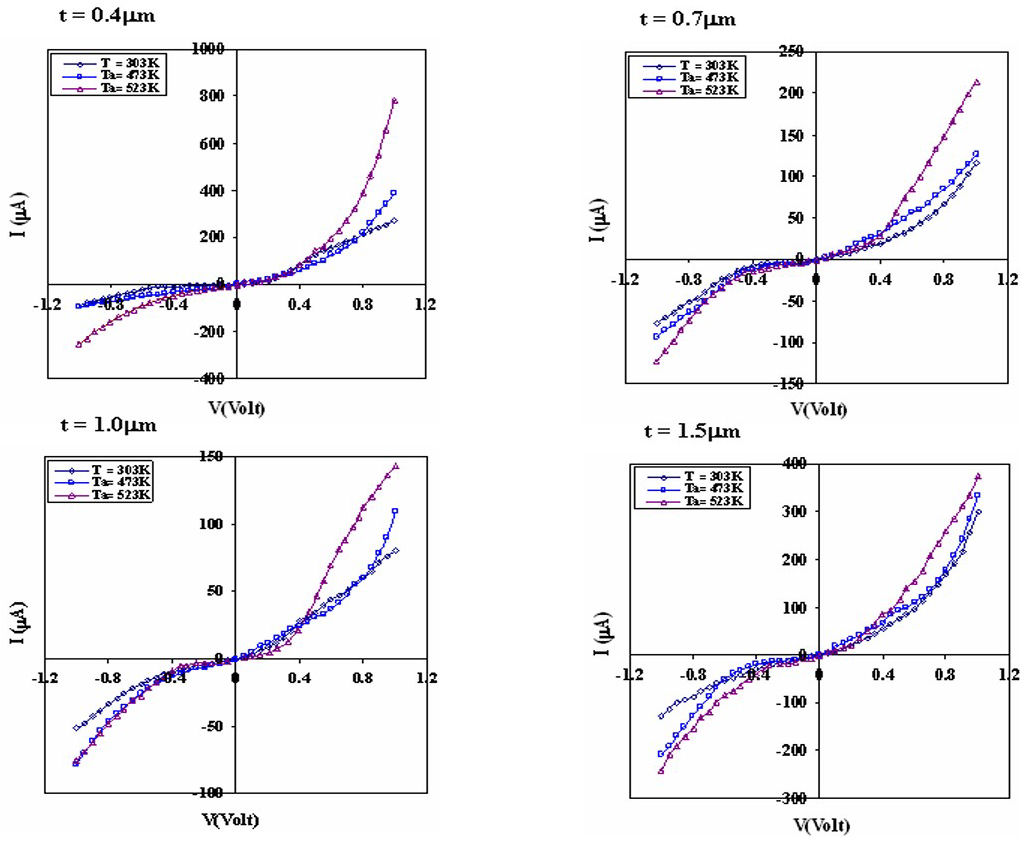
    In the present work we are reporting the preparation conditions of GaAs thin films and the technique which was employed to produce films deposited on Ge wafers substrate at constant substrate temperature by thermal evaporation method are described. Also it includes photovoltaic measurements which are presented by current – voltage characteristics, photocurrent, short – circuit, open – circuit voltage of GaAs/Ge heterojunction, at room temperature and different annealing temperatures have been measured. All the samples were prepared under constant conditions (pressure, substrate temperature and rate of deposition); the main parameters that control the nature of the film properties are thickness (0.4, 0.7, 1.0 and 1.5) μm and annealing temperature (473 and 523) K. The dark current decreases with increasing of thickness; whereas increases slightly with increasing of annealing temperatures. Under illumination, the photocurrent increases with increasing of annealing temperatures and decreases with increasing of thickness except at thickness equal to 1.5m. There is a linear increasing in the first part of the relation between Isc and Voc with incident power intensity and then the saturation region appeared. The Isc and Voc decrease with increasing of thickness, while increase with increase of annealing temperatures.

    ⬇️ Scroll down to see the full summary
    DOI: https://doi.org/10.31349/RevMexFis.72.061007
  • Ising-type ferroelectric switching and piezoelectric response in wurtzite KMgP: First-principles study

    A. Labdelli, A. Benbedra
    1-10
    Abstract:

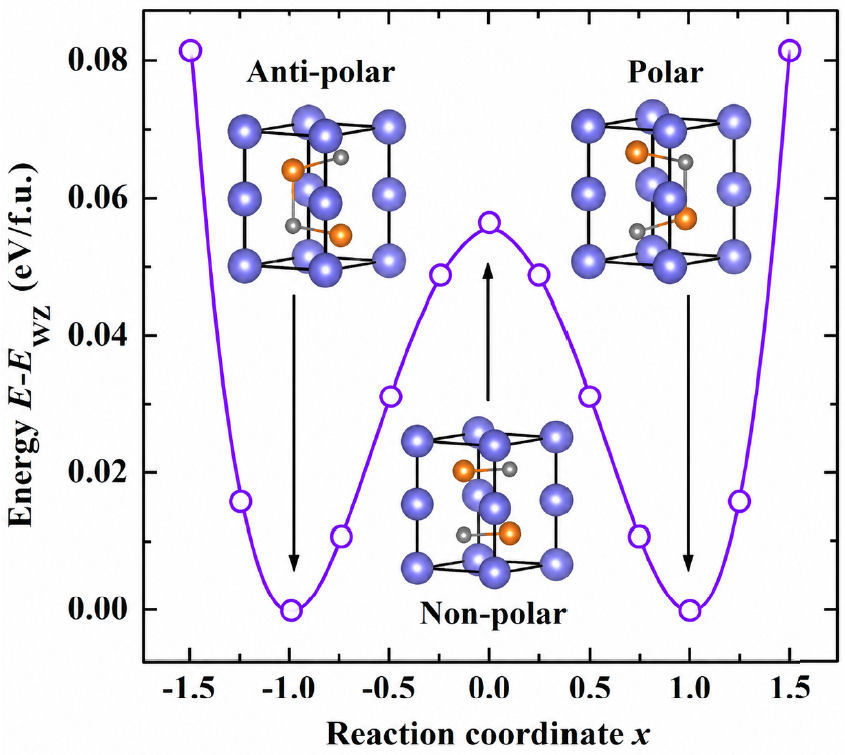
    The present paper employs first-principles calculations based on density functional theory to investigate the structural, electronic, ferroelectric, and piezoelectric properties of KMgP in the wurtzite LiGaGe-type phase. The thermodynamical, mechanical and dynamical stability of the compound are confirmed through the formation energy, elastic coefficients and phonon spectrum, respectively. Our results reveal that wurtzite KMgP is a semiconductor with a direct band gap of 1.25 eV within the local-density approximation. We use the Berry-phase approach to evaluate the polarization properties inherent to the polar structure of KMgP, yielding a spontaneous polarization of 0.385 C/m2 and Born effective charges near their nominal ionic values. The ferroelectric nature of the material is demonstrated by the characteristic double-well potential associated with Ising-type polarization reversal. With a high Curie temperature (385.32 K) and low switching energy barrier (0.0568 eV) and coercive electric field (2.78 MV/cm), we predict that wurtzite KMgP possesses highly reversible polarization, making it a promising candidate for novel ferroelectric applications. Moreover, we find that KMgP is an anomalous piezoelectric compound with a negative longitudinal piezoelectric coefficient (modulus) of −0.75 C/m2 (−52.66 pC/N).

    ⬇️ Scroll down to see the full summary
    DOI: https://doi.org/10.31349/RevMexFis.72.061008

Medical Physics

  • Antenas pre-fractales en medicina: fundamentos geométricos, desempeño electromagnético y aplicaciones diagnósticas

    L. González-Zamora, S. S. Hidalgo-Tobón, M. A. Quiroz-Juárez
    1-10
    Abstract:

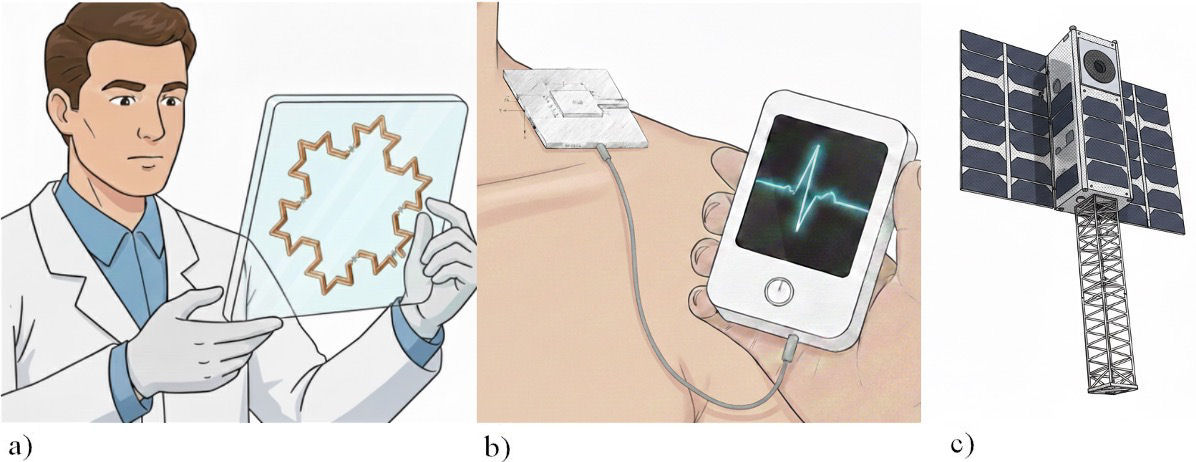
    La geometría fractal ofrece un marco alternativo para describir la complejidad de las estructuras irregulares del cuerpo humano y, en paralelo, ha motivado el desarrollo de antenas que explotan la auto-semejanza para mejorar su desempeño. En particular, las antenas prefractales derivadas de configuraciones como el triángulo de Sierpinski permiten la miniaturización del radiador, la operación multibanda y un control más preciso de la directividad de radiación, lo cual resulta especialmente atractivo en aplicaciones médicas donde el espacio es limitado y las frecuencias de operación son críticas. Esta revisión examina los fundamentos de la dimensión fractal y su relación con la respuesta en frecuencia de las antenas, y posteriormente recorre el estado del arte de aplicaciones médicas recientes, incluyendo la detección de cáncer de piel y mama, sistemas de telemetría implantable, electrónica flexible tipo “tatuaje” y bobinas fractales para técnicas avanzadas de imagen. Se discuten ventajas prácticas reportadas, tales como miniaturización, comportamiento multibanda, mejora de la ganancia y la eficiencia, capacidad de relleno de espacio y reducción del acoplamiento no deseado, junto con desafíos asociados a la fabricación a microescala, las pérdidas en tejido, las restricciones de tasa de absorción específica (SAR) y la biocompatibilidad de los materiales. Finalmente, la revisión resume los criterios de diseño y simulación electromagnética más utilizados, basados en las ecuaciones de Maxwell, las funciones de Green y el análisis de directividad. Además, plantea líneas de investigación abiertas orientadas a traducir las antenas prefractales de prototipos de laboratorio a dispositivos médicos robustos y clínicamente viables.

    Fractal geometry provides an alternative framework for describing the complexity of irregular human body structures and, in parallel, has motivated the development of antennas that exploit self-similarity to enhance their performance. In particular, prefractal antennas derived from configurations such as the Sierpinski triangle enable radiator miniaturization, multiband operation, and more precise control of radiation directivity, which is especially attractive in medical applications where space is limited and operating frequencies are critical. This review examines the fundamentals of fractal dimension and its relationship with antenna frequency response, and subsequently surveys the state-of-the-art in recent medical applications, including skin and breast cancer detection, implantable telemetry systems, flexible "tattoo-like" electronics, and fractal coils for advanced imaging techniques. It discusses reported practical advantages, such as miniaturization, multiband behavior, improved gain and efficiency, space-filling capacity, and reduced unwanted coupling, along with challenges associated with microscale fabrication, tissue losses, specific absorption rate (SAR) restrictions, and material biocompatibility. Finally, the review summarizes the most commonly used electromagnetic design and simulation criteria, based on Maxwell’s equations, Green’s functions, and directivity analysis. Additionally, it outlines open research lines aimed at translating prefractal antennas from laboratory prototypes to robust, clinically viable medical devices.

    ⬇️ Scroll down to see the full summary
    DOI: https://doi.org/10.31349/RevMexFis.72.061101
  • Wavelength-dependent optical bleaching in Al₂O₃:C nanoDot optically stimulated luminescence dosimeters .

    Miguel Ángel Camacho López, Isabel Morales Peña, Amanda García Garduño, Rosalía Contreras Bulnes , Adrián Sánchez Aguilar
    1-8
    Abstract:

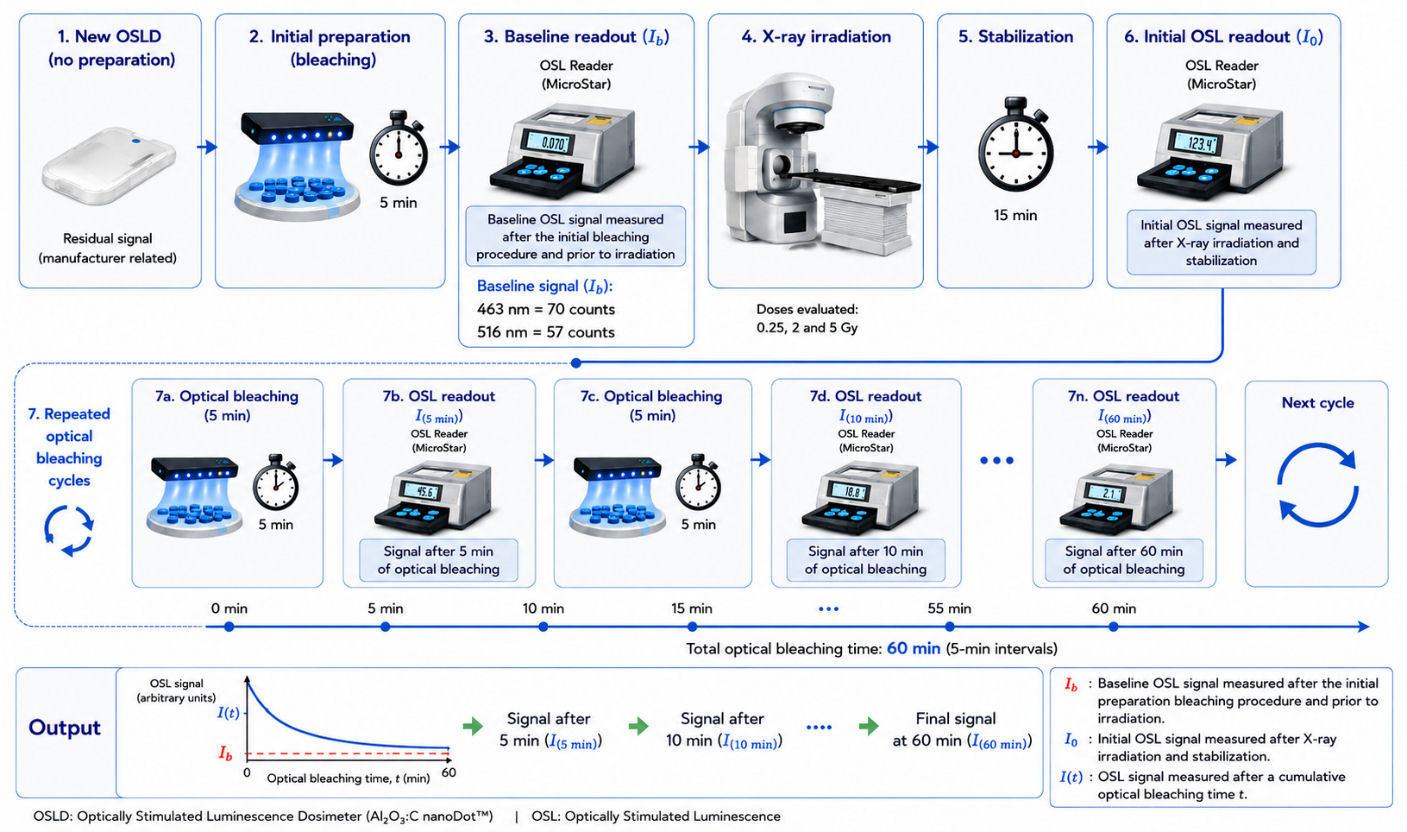
    The reusability of Al2O3:C-based optically stimulated luminescence dosimeters (OSLDs) relies on efficient removal of the stored signal through optical irradiation. Wavelength-dependent optical bleaching was evaluated in nanoDotTM dosimeters using 3 W LED matrices centered at 463 and 516 nm, with irradiances of 587.7 and 457.7 mW·cm−2, respectively. Dosimeters irradiated with 6 MV photons were subjected to successive 5-min bleaching cycles with intermediate microStar readouts. The 463 nm system produced faster signal reduction and higher bleaching efficiency than the 516 nm system. A residual component persisted after prolonged irradiation, indicating incomplete depletion of optically accessible trapping states under the evaluated conditions. These results support wavelength selection as a key parameter for optimizing nanoDot reuse protocols.

    ⬇️ Scroll down to see the full summary
    DOI: https://doi.org/10.31349/RevMexFis.72.061102

Nuclear Physics

  • A dynamical systems approach to modified point kinetics equations

    Tonatiuh Manuel Tiscareño Sanchez, S. L. Hinojosa Ruiz, S. Tototzintle Huitle
    1-7
    Abstract:

    We apply the formalism of dynamical systems and the Kosambi-Kartan-Chern theory to perform an extensive stability analysis of solutions to modified point kinetics equations, a set of two differential equations used in nuclear physics to describe the temporal behavior of a fission nuclear reactor. It is known that the stability of the system depends on reactivity, which appears in the equations as a parameter ρ, and the functional form of this parameter can describe different situations that may occur in a nuclear reactor, making the equations nonlinear or even nonautonomous in certain cases. We present a comparative study between linear stability and Jacobi stability, pointing out the usefulness of the geometrodynamical approach.

    ⬇️ Scroll down to see the full summary
    DOI: https://doi.org/10.31349/RevMexFis.72.061201
  • Numerical modeling of spin-dependent phase shifts in nucleon-nucleon scattering

    P. Sahoo
    1-7
    Abstract:

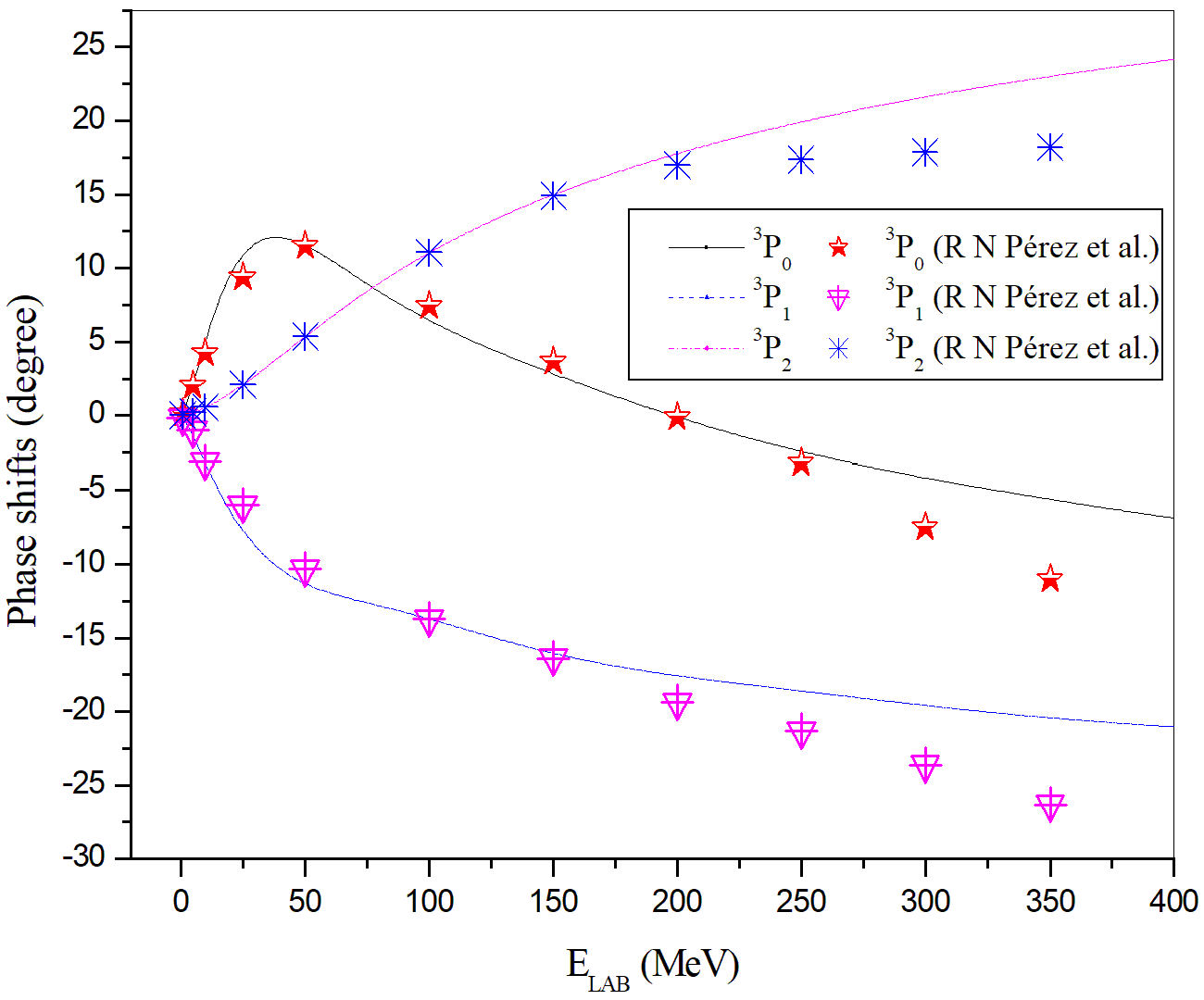
    Scattering phase shifts for quantum mechanical potential scattering can be derived directly from the scattering amplitude, bypassing the need to solve the Schrödinger equation explicitly. This can be achieved by numerically integrating the phase equation from the origin to the asymptotic limit. The Phase Function Method (PFM) is considered an effective approach for computing scattering phase shifts in quantum mechanics. The Phase Function Method (PFM) is applied to analyze the Pöschl–Teller potential along with spin-orbit interactions. The strategy includes employing a five-parameter potential model to fit the calculated scattering phase shift curves to the established data for elastic scattering phase shifts. Numerical scattering phase shifts for nucleon-nucleon systems align well with prior research results.

    ⬇️ Scroll down to see the full summary
    DOI: https://doi.org/10.31349/RevMexFis.72.061202

Optics

  • Testing the effects of ultraviolet radiation on biological samples using laser interferometry

    Gloria del Rosario Frausto Rea, María del Socorro Hernández Montes
    1-8
    Abstract:

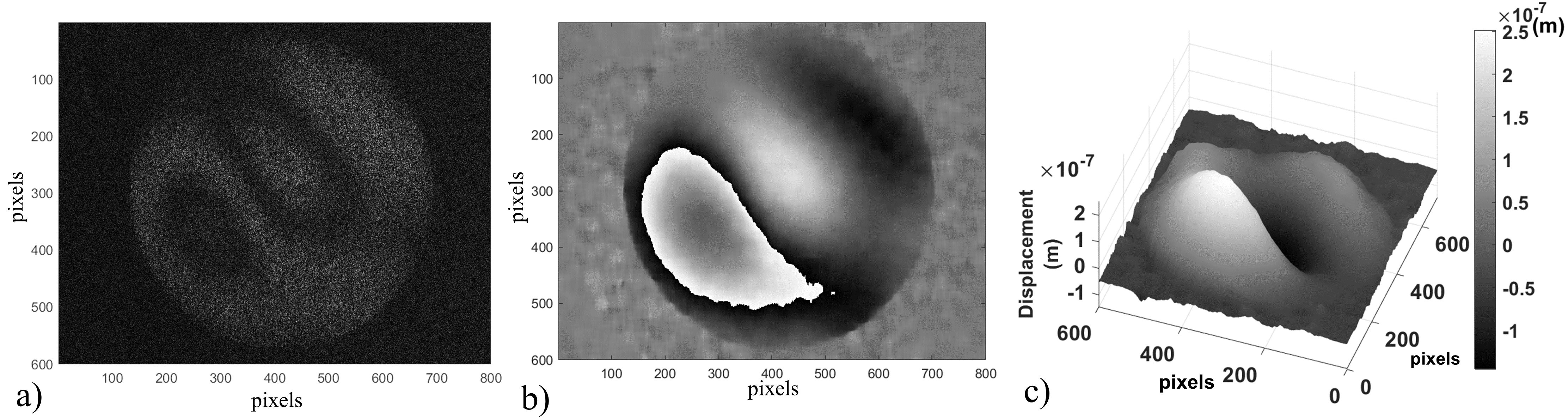
    Laser interferometry is used to analyze biological samples non-invasively before and after exposure to ultraviolet B (UVB) radiation. The objective is to ascertain the damage induced by this type of radiation by quantifying displacements across the entire surface of the samples. The analysis of those displacements, with a resolution of a few micrometers, is presented. Displacements are induced by applying a sound load to the sample with and without radiation. The results are displayed as fringe patterns and displacement maps, where changes caused by UVB radiation exposure can be observed. It was found that displacement values decrease and fringe patterns change slightly due to the radiation. Displacement data is useful as it is an indicator of the biological sample’s elasticity. This work contributes to the understanding of the impact of UVB irradiation on sample elasticity, which can be assessed non-invasively.

    ⬇️ Scroll down to see the full summary
    DOI: https://doi.org/10.31349/RevMexFis.72.061301
  • Topological modes for light propagation inside a 2D photonic square lattice crystal with p4 symmetry

    Marco Antonio Tun Carrillo, José Antonio Medina Vázquez, Miguel Eduardo Mora-Ramos, Hernán Alajandro Gómez Urrea, Ignacio Pérez Quintana
    1-9
    Abstract:

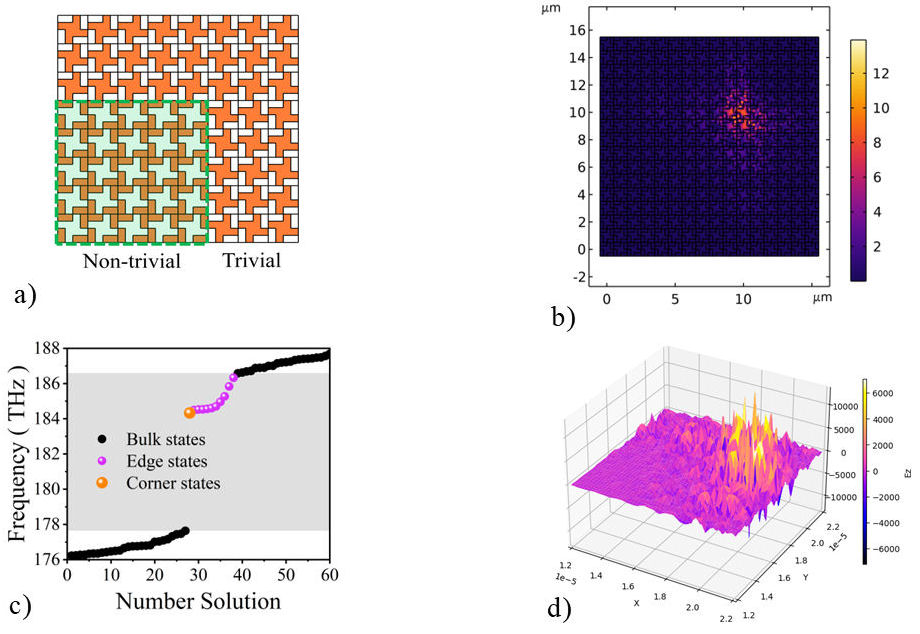
    We investigate a two-dimensional all-dielectric silicon photonic crystal with a square lattice based on p4 space group wallpaper symmetry, demonstrating dual-functional electromagnetic response. By employing group-theoretical symmetry indicators, we characterize the topological phase hierarchy of the lower ten transverse magnetic (TM) bands for two complementary unit cell configurations (UC1 and UC2). The topological non-triviality of UC2 enables the emergence of robust edge and corner modes within the telecommunication window (∼ 1.84 THz / 1.6 µm) at the interface with the trivial UC1 phase. Additionally, an accidental p–p–d band degeneracy forming a Dirac-like cone at the Γ point yields a near-zero refractive index (NZRI) regime in the mid-infrared region (∼ 1.03 THz / 2.9 µm). We discuss the interplay between time-reversal symmetry-protected degeneracies and the absence of monopolar (s-like) symmetry, which results in directional impedance variations and non-ideal wave-front flattening. These findings highlight the potential of simple square-lattice geometries for integrated topological routing, directional optical sensing, and light manipulation.

    ⬇️ Scroll down to see the full summary
    DOI: https://doi.org/10.31349/RevMexFis.72.061302

Plasma Physics

  • Plasma-Activated Fenton Chemistry for Acid Blue 9 dye removal: Kinetics, physicochemical dynamics, and G₅₀ optimization

    Josefina Vergara, Ernesto Gutierrez, Cesar Torres Segundo, Esteban Montiel, Benjamin Bazaldua, Aarón Gómez, Pedro Guillermo Reyes, Horacio Martinez
    1-7
    Abstract:

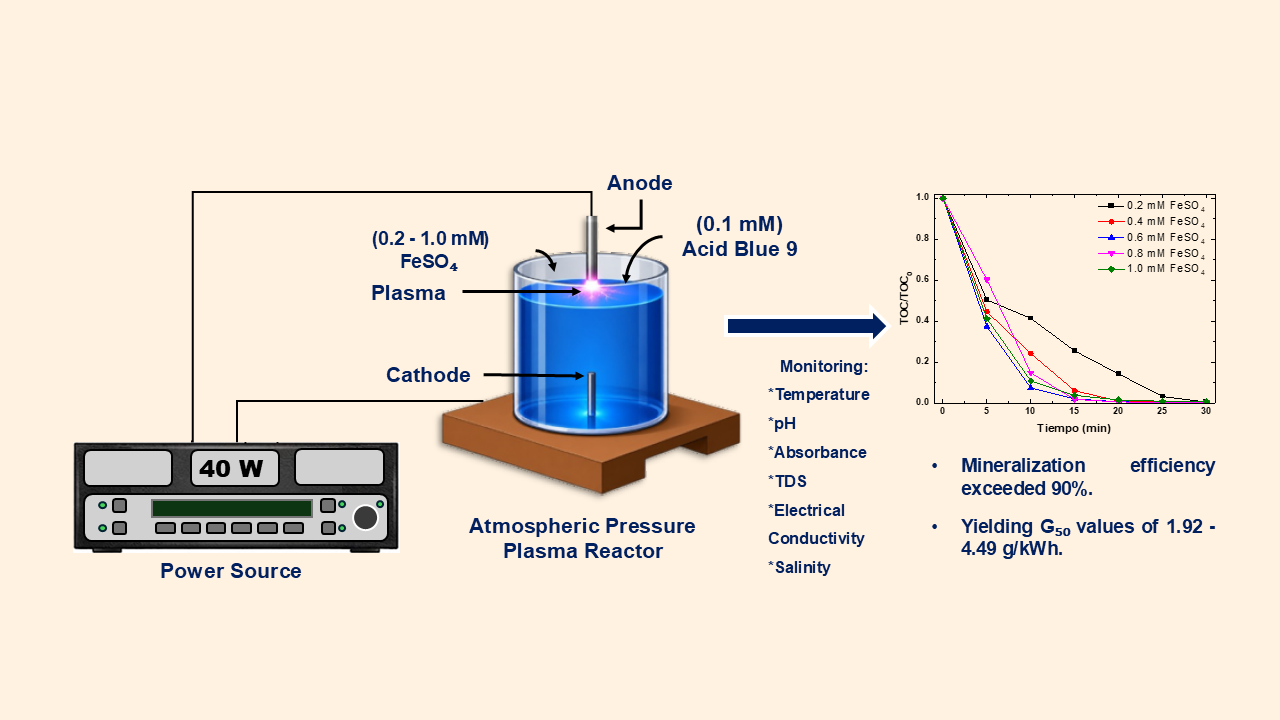
    Industrial effluents containing synthetic dyes represent one of the most persistent sources of surface water contamination, largely because conventional treatment processes fail to achieve their complete removal. In this work, we evaluated the degradation efficiency of a NonThermal Atmospheric-Pressure Plasma (NTAPP) system toward Acid Blue 9 (AB9) dye, using FeSO4 as a catalytic additive at concentrations ranging from 0.2 to 1.0 mM. Degradation was monitored by UV-Vis absorbance at 630 nm, and solution physicochemical parameters pH, electrical conductivity, salinity, total dissolved solids (TDS), and bulk solution temperature were recorded throughout treatment. After 30 minutes of plasma exposure, near complete decolorization was achieved, with optimal catalytic performance observed at 0.6 mM FeSO4. The enhanced degradation at this concentration is consistent with a Fenton-type mechanism, in which Fe2+ ions react with plasma-generated H2O2 to produce additional ·OH radicals. TOC analysis confirmed a dye mineralization efficiency exceeding 90%. These results demonstrate the potential of catalytically intensified NTAPP as an effective strategy for the treatment of dye contaminated water.


    Los efluentes industriales que contienen colorantes sintéticos representan una de las fuentes más persistentes de contaminación de aguas superficiales, principalmente porque los procesos de tratamiento convencionales no logran su eliminación completa. En este trabajo, evaluamos la eficiencia de degradación de un sistema de plasma a presión atmosférica no térmico (NTAPP) para el colorante Azul Ácido 9 (AB9), utilizando FeSO₄ como aditivo catalítico en concentraciones que van de 0,2 a 1,0 mM. La degradación se monitorizó mediante absorbancia UV-Vis a 630 nm, y se registraron los parámetros fisicoquímicos de la solución: pH, conductividad eléctrica, salinidad, sólidos disueltos totales (TDS) y temperatura de la solución a lo largo del tratamiento. Después de 30 minutos de exposición al plasma, se logró una decoloración casi completa, observándose un rendimiento catalítico óptimo a 0,6 mM de FeSO₄ . La degradación mejorada a esta concentración es consistente con un mecanismo tipo Fenton, en el que los iones Fe²⁺ reaccionan con el H₂O₂ generado por el plasma para producir radicales OH adicionales. El análisis de COT confirmó una eficiencia de mineralización del colorante superior al 90 %. Estos resultados demuestran el potencial del NTAPP intensificado catalíticamente como una estrategia eficaz para el tratamiento de aguas contaminadas con colorantes.

    ⬇️ Scroll down to see the full summary
    DOI: https://doi.org/10.31349/RevMexFis.72.061501

Thermodynamics and Statistical Physics

  • Deep learning based identification of solvents from post-desiccation patterns

    Jesús Israel Morán Cortés, Felipe Pacheco Vázquez
    1-14
    Abstract:

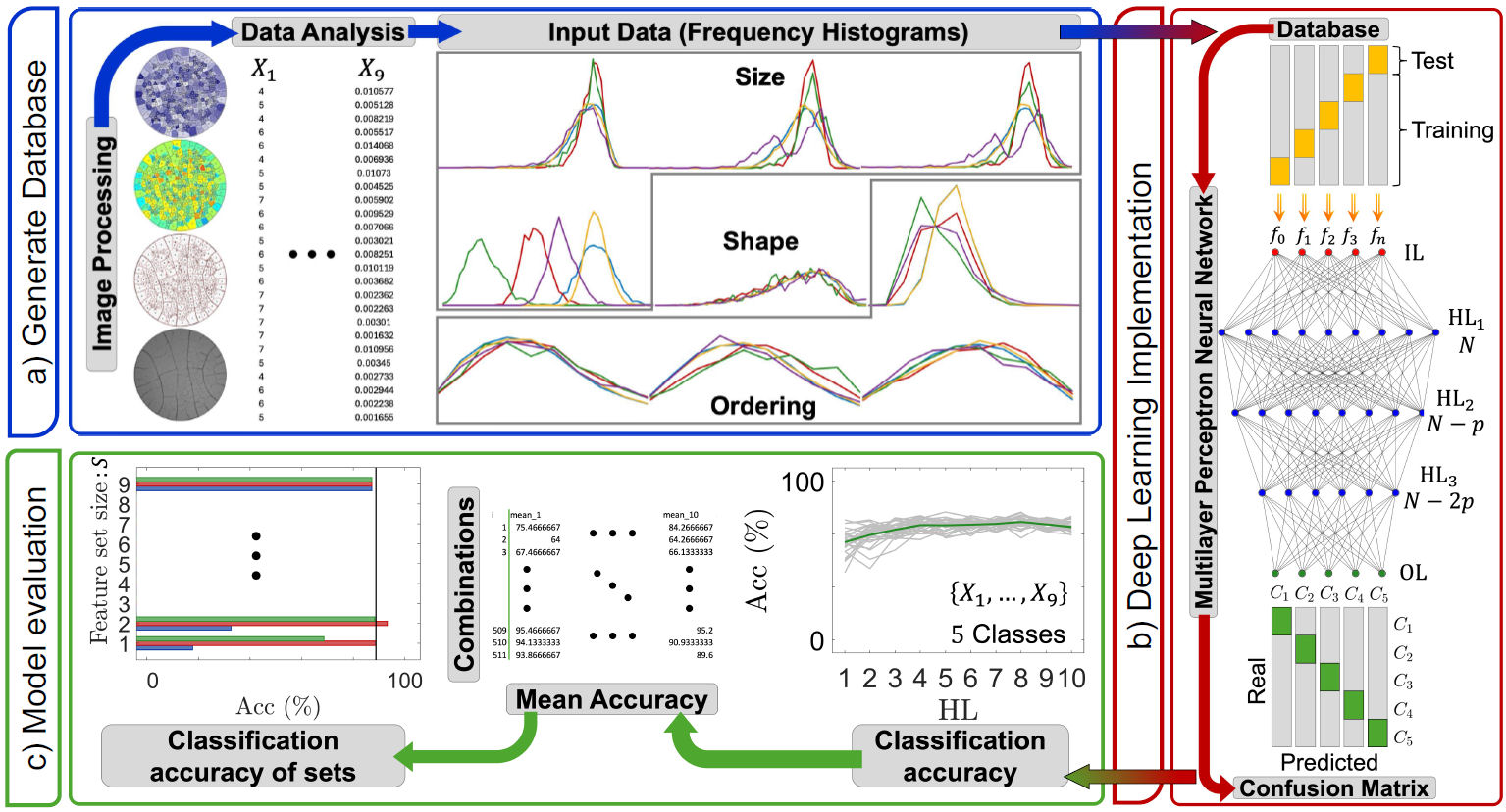
    We introduce an optimized Deep learning protocol for fracture pattern classification to identify the solvent involved in the desiccation cracking process of starch-liquid slurries, even after its complete evaporation. For this purpose, image analysis techniques were used to characterize patterns obtained from drying suspensions using single solvents (water, ethanol, acetone) and two-component solvents (water-ethanol mixtures at different concentrations). Frequency histograms were generated based on nine morphological features, taking into account their size, shape, geometry and orientational ordering. Subsequently, we used these histograms as input data in different artificial neural network variants to determine which set of features leads to the highest accuracy in solvent identification. An average accuracy of up to 96(±1)% was achieved in the classification when all solvents were considered in the analysis. The highest accuracy was obtained with sets that include the crack area, AcrN , a feature barely considered in the literature. We found that AcrN can be related to the cohesive energy associated with hydrogen bond interactions. Taking this into account, we estimated some physicochemical properties of two-component solvents (specifically, the Hansen and Kamlet-Taft parameters) based solely on the features of patterns obtained from the individual components, achieving an error within 15% compared to the values determined from the literature. The proposed protocol could help to encode some implicit parameters and the optimal combination of features for pattern recognition in other fields of science and engineering.

    ⬇️ Scroll down to see the full summary
    DOI: https://doi.org/10.31349/RevMexFis.72.061701